S22 E36 - Blue KC's Strategic Initiatives -Community Involvement:
Addressing KC Area Food Insecurity, Health and Mental Health
Host:
Cary Hall, America’s Healthcare Advocate
S22 E36 - Blue KC's Strategic Initiatives -Community Involvement:
Addressing KC Area Food Insecurity, Health and Mental Health
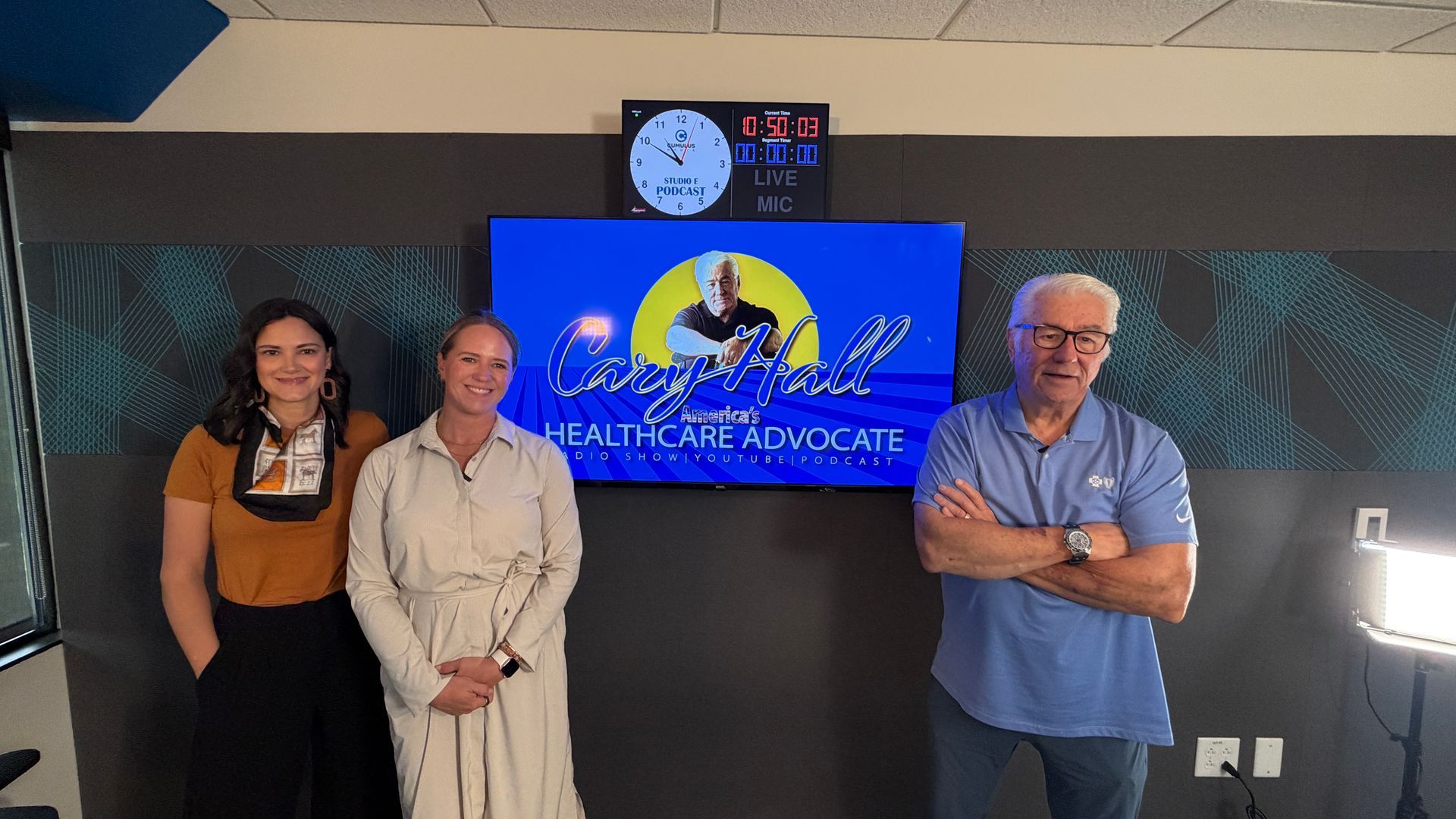
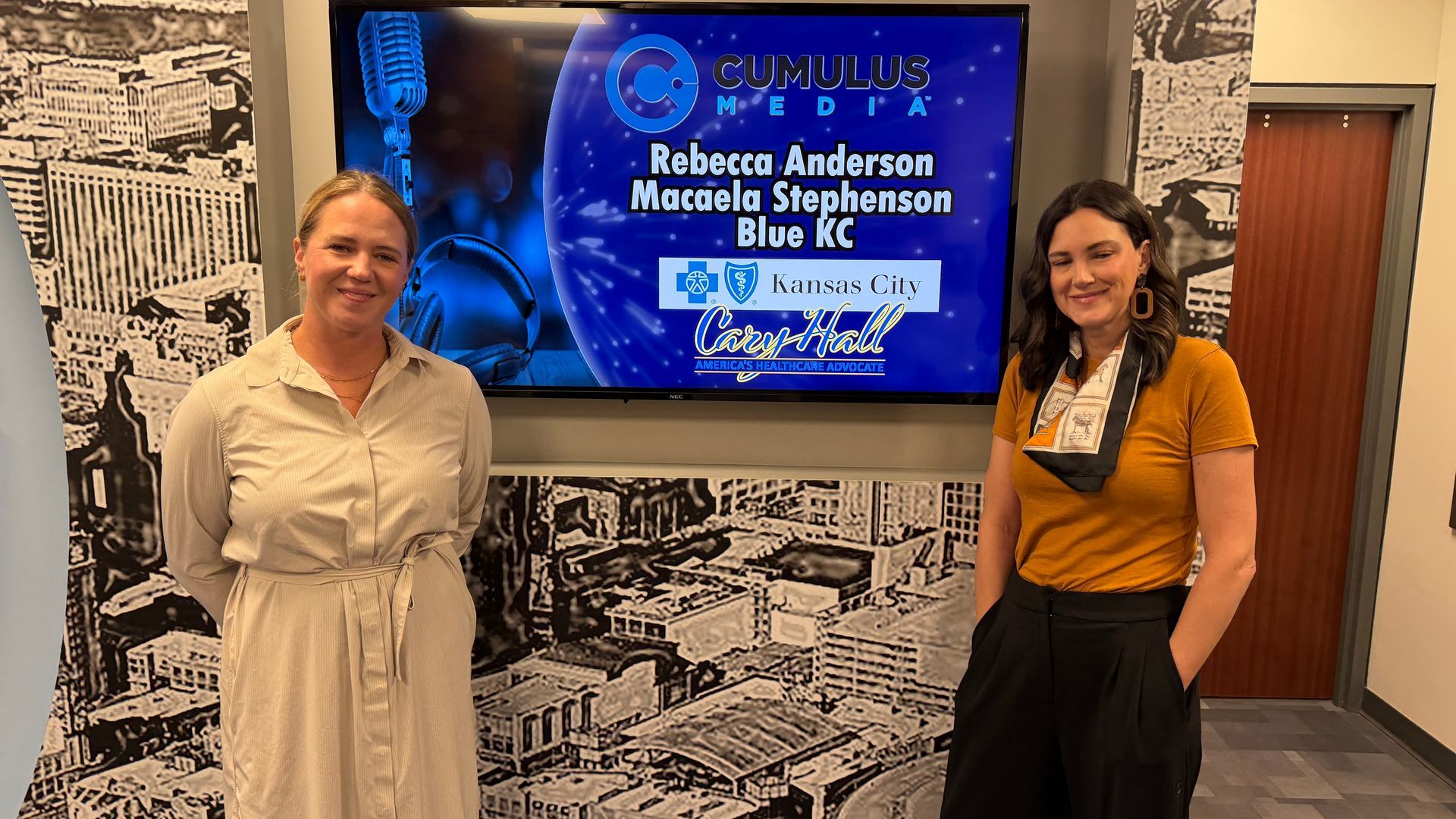
Macaela and Rebecca bring us their strategy and share with me their community initiatives in Kansas City:
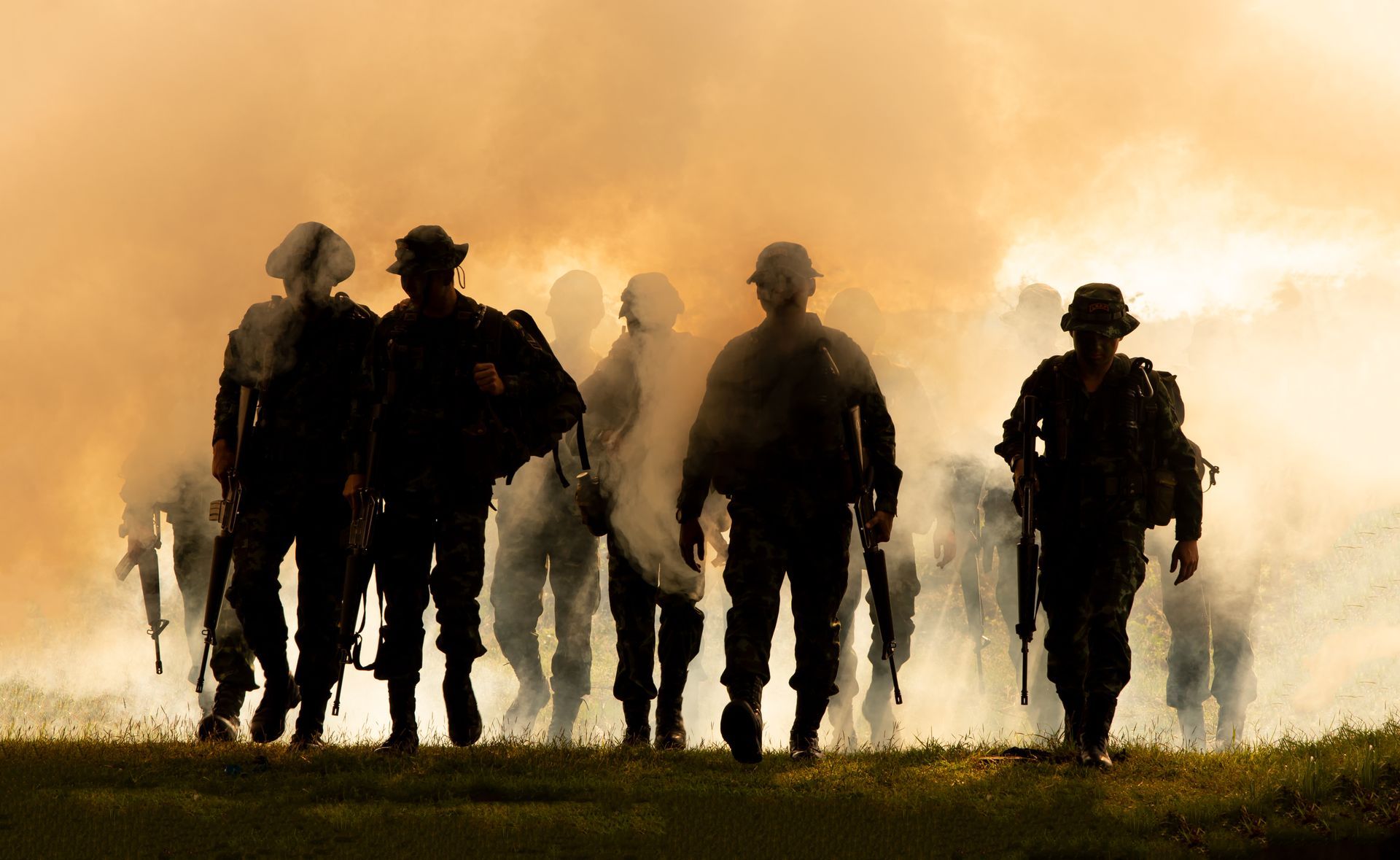
For example, Macaela tells how working with over 200 nonprofits in Kansas City and passionately supports them including some of our veterans annually with a group from Blue KC to help out with the tiny houses over at Veterans Community Project. We also supply funds to them to make sure that they can continue to thrive. Then there's Cornerstones of Care and its vocational program, Build Trybe, Kansas City Community Gardens and the Giving Grove to work with students at DeLaSalle Education Center in transforming an empty field next to the school into a new Learning Farm that will positively impact hundreds of young adults in surrounding neighborhoods.
Rebecca reminds me when you look at Kansas City, about 1 in 7 adults don't know where their next meal is coming from, and we know one of the greatest inputs to chronic disease and the things that drive up health care costs are the foods. So if you're eating fast food and you're not eating healthy, you're likely to develop hypertension. You're likely to develop diabetes. It's all connected. You can't you can't unconnect it. and it's impacting every part of these people's lives.
For me, I find what there two are doing is impactful and it’s making a difference. In this show I hope to educated you and inform you about what this company, Blue KC does be part of Kansas City.
This is season 22 episode 36 of America’s Healthcare Advocate. I’m Cary Hall
Learn more here: https://www.bluekc.com/about/community-impact/giving-back/
-- Cary Hall, America's Healthcare Advocate brings you topics and guests that are relevant to your health, the health of your business, healthcare needs, as well as critical health insurance information. https://www.americashealthcareadvocate.com/
Additional links from our show today:
https://bionexuskc.org/
https://kccg.org/giving-grove-orchards/ https://buildwyco.org/community-programs/health-programs/
https://www.kanbesmarkets.org/
https://vcp.org/about-vcp/our-locations/kansas-city/ https://vcp.org/about-vcp/faqs/#tiny-homes
If you have a service, product or insight related to healthcare, health lives and heathy business, consider partnbering with us: https://www.americashealthcareadvocate.com/sponsors
Listen to this episode
Below are audio podcast players to stream from here on our website. or search for "America's Healthcare Advocate" on your favorite podcast platform.
On Rumble:
New Paragraph
Play full audio podcast (above) or find it by clicking from the list below:
iHeart
Transcript for 2236
Cary Hall
Coming up on today's show, we're going to have folks here from Blue KC, Rebecca Anderson and Macaela Stephenson. They're going to be talking to us about Blue KC's tradition of service. 90 years in this community. They're going to talk about programs like Harvesters, DeLaSalle schools where they're helping these kids learn how to grow food, be involved in the community talking about things they’re doing in Wyandotte County.
00;00;22;21 - 00;00;35;23
Cary Hall
It's a great show. You're going to learn how Blue KC is involved in your community and what they're doing to put back in your community. Stay tuned today for America's Healthcare Advocate
00;00;35;26 - 00;00;40;03
Announcer
and now America's Healthcare Advocate, Cary Hall.
00;00;40;05 - 00;00;47;24
Cary Hall
Hello, America. Welcome to America's Healthcare Advocate show, broadcasting Coast to coast across the USA here on the HIA Radio Network.
00;00;47;24 - 00;01;08;29
Cary Hall
You can find out more about us by going to the website AmericasHealthcareAdvocate.com. You can also download this show. All of our podcast platforms are 16 of them and our YouTube channel, by the way. The number of downloads now 871,707. Thanks to all of you in the listening audience. So all of you listening on terrestrial radio.
00;01;08;29 - 00;01;27;05
Cary Hall
We greatly appreciate you around the country and also all of you that follow us on podcasts and YouTube. We greatly appreciate all of you. All right. In studio with me today we're going to be doing a show with Blue KC. The show today is going to focus on community involvement. You know, there's a line that I've used for years regarding Blue KC.
00;01;27;06 - 00;01;45;29
Cary Hall
When I work with Blue Cross in Nebraska or Blue Cross, Kansas, it's pretty much the same thing. We're Main Street, not Wall Street, and we're going to illustrate that today. And what does that mean? What does that mean when you have a not for profit insurance carrier in your town and how do they interact with the community, and what do they do to improve the community and put money back into the community.
00;01;46;02 - 00;02;06;11
Cary Hall
Aside from the fact that they employ a large number of people here in the Kansas City Metro and all the rest. So these are separate initiatives the Blue KC does around our community to help this community. So in studio with me, Rebecca Anderson, she is director of community Health. Welcome. Thank you. Your first time here Macaela Stevenson is back.
00;02;06;11 - 00;02;12;13
Cary Hall
Community Relations and Investment. Thank you for coming. It's been a while. It has been a minute.
00;02;12;16 - 00;02;14;27
Macaela Stephenson
It's great to see you. Happy to be here.
00;02;14;29 - 00;02;18;07
Cary Hall
I think my hair is whiter than when you were here before. Right.
00;02;18;09 - 00;02;19;19
Macaela Stephenson
Mine’s probably more gray too.
00;02;19;26 - 00;02;42;03
Cary Hall
So? So, Rebecca, it's interesting to me. And I've always said this, that there's more here than meets the eye. And it's a little frustrating to me in some ways, because this has been a program. You've been here for 90 years. Yeah. Blue KC has, and they've constantly given back to this community. It's not something I see from the other carriers.
00;02;42;06 - 00;02;55;03
Cary Hall
It's something you see here. So talk about why is that important to Blue KC? Why are you different than the other major carriers in the marketplace? And you're focused on trying to do things that improve this community. Rebecca.
00;02;55;08 - 00;03;14;16
Rebecca Anderson
Yeah. So I'm glad that you said that. And I'm glad that you put it that way, because I do think that that is something that, as an insurance company that really differentiates us is our investment in the community. And I kind of want to lay the landscape for why that is. So when you think about the health of a community, it doesn't start with health care.
00;03;14;17 - 00;03;18;05
Rebecca Anderson
It doesn't start in a doctor's office. So people.
00;03;18;05 - 00;03;27;15
Cary Hall
No it doesn’t, that's the last place it starts. Unless they’re going to Spira Care. They might start their care. Then they don't spend seven minutes then out the door, it’s a little different deal.
00;03;27;22 - 00;03;47;25
Rebecca Anderson
So aside from Spira Care, because people spend more than 63 minutes a year at Spira Care. But but on average, people spend about 63 minutes a year at the doctor's office. The rest is spent in the community. And that's things like how close are they to a grocery store? How close are they to transportation? You know, do they have access to basic needs?
00;03;47;25 - 00;04;07;09
Rebecca Anderson
And so if we don't focus on those things, if we don't focus on the health of the community, the community's not going to get there. We're all it's all an interconnected web, right? Like, so we have to invest back in the community and to these very, very important pillars or we're not going to have a healthier community.
00;04;07;09 - 00;04;26;03
Rebecca Anderson
And so that's that's why it's so important to us. And our focus is on things called social determinants of health. And those are the very things that we're talking about. So do people have access to transportation? Do people have access to food? Do people? Do they understand their benefits? Are they getting their basic needs met? So that's why it's important to us to invest in the community.
00;04;26;05 - 00;04;38;06
Cary Hall
Talk a little bit about care gaps because this is one of the themes in what you're doing to connect people and the very things that Rebecca just talked about. Identify some of those gaps.
00;04;38;08 - 00;05;02;05
Macaela Stephenson
Well, I think, you know, to Rebecca's point, where your health care starts and where you can actually thrive is within your own community and having your basic needs met. So if you don't have, access to healthy foods, if kids don't have access to healthy foods, they're going to have a harder time learning.
00;05;02;05 - 00;05;17;25
Macaela Stephenson
They're going to have. If you can't think about you don't know where your next meal is coming from, you're not going to think about going to the doctor. You're not going to think about getting the basic needs met that you have in your health care. You're thinking about feeding your children. You're thinking about feeding your family and your neighbors.
00;05;18;02 - 00;05;41;12
Macaela Stephenson
So if you have those gaps in where those basic needs are you, everything else is kind of out the door. And then that starts to also affect your mental health. So if you're constantly worrying, you're constantly thinking about, how can I get this? How can my kids get this? How can I or am I going to have a place to live, next week without getting evicted?
00;05;41;15 - 00;05;50;13
Macaela Stephenson
Those are going to consume you, right? So what we are trying to do is trying to help, to kind of fill some of those gaps with our partners. We're not doing this on our own by any means.
00;05;50;14 - 00;05;52;00
Cary Hall
So we'll talk. We're partners.
00;05;52;02 - 00;06;02;22
Macaela Stephenson
We're working with those partners throughout the community to listen to what they need, to listen to what their folks need, and to really make sure that we are stepping up when it's appropriate, when we can help out.
00;06;02;24 - 00;06;25;07
Cary Hall
Okay, so Rebecca, Macaela just mentioned children, okay. If a child can't get food. Okay. And they're not getting proper nutrition, how are they going to do well in school? How are they going to own sports? How are they going to do well in anything? It's hard to believe in this country that we have kids that don't have enough to eat, but it's the fact.
00;06;25;11 - 00;06;36;11
Rebecca Anderson
It's the fact. And to answer your question, they're not. So, you know, if you don't have access to food, you're not getting fed at night school for a lot of kids, that is their source of.
00;06;36;13 - 00;06;36;29
Cary Hall
Food.
00;06;37;01 - 00;06;51;20
Rebecca Anderson
Either breakfast or lunch. But then there's these gaps that we see on the weekends. One of the things that we're seeing in the Kansas City area and I would assume this is nationally, is food pantries are spread thinner than they have ever, ever been.
00;06;51;21 - 00;06;52;09
Cary Hall
Yes they are.
00;06;52;10 - 00;07;11;15
Rebecca Anderson
They are being cleaned out. People are asking for donations. They're asking for cash donations. I sit on a health committee in Johnson County, and one of the things that we brainstorming is, can we go to restaurants and ask people for excess food? It's a food problem, but if you're a kid and you're going to school and you don't have food, you're not going to be able to learn.
00;07;11;20 - 00;07;25;13
Rebecca Anderson
You're not going to be able to pay attention. I mean, it's just a fact, like you're going to be sitting there hungry all day. And what is sad is within those same schools, we have schools where some kids have food and some kids go to bed hungry.
00;07;25;15 - 00;07;45;14
Cary Hall
You know, that's remarkable. And you mentioned Johnson County, and I'm sure all of you listening out there in the metro, we're gone. Wait a minute. In Johnson County, the 11th richest county in the United States. Yeah, in Johnson County, we still got a problem, right? Right. There's still pockets in this county. Yeah. Where, you know, I've been on the board for a number of different charities in this town.
00;07;45;14 - 00;08;04;26
Cary Hall
I'm currently on the board of the Little Sisters of the Poor. But one of the things that I've learned is you'll have women living in cars with children. You don't have any place to go, right? And they certainly don't have food and the other things they need to have. So that's not just in the Kansas City metro. It's also Johnson County, Wyandotte County, out in the rural communities.
00;08;05;02 - 00;08;05;17
Cary Hall
As well.
00;08;05;17 - 00;08;07;05
Rebecca Anderson
Across the entire state.
00;08;07;07 - 00;08;26;03
Cary Hall
When we come back from break we are going to continue this conversation. We're going to talk about who do they partner with, who are they partnering with. How is that working? What are they actually getting done? Well, you might be a little surprised to find that out. Stay tuned. We'll be right back after the break. You're listening to America's Healthcare Advocate broadcasting here on the HIA Radio Network.
00;08;26;09 - 00;08;35;00
Cary Hall
Coast to Coast across, USA. Stay right there. We'll be right back after the break.
00;08;35;02 - 00;08;52;17
Cary Hall
Hello, I'm Cary Hall. You know, I'm 77 years old, and, you know, it's crossed my mind. I don't want to outlive my money. I'm sure you've had that thought, too. How would you like a report card that tells you exactly in an objective way, what your retirement strategy looks like. Are you going to outlive your money? Find out.
00;08;52;20 - 00;09;08;17
Cary Hall
Visit SageonRQ.ai and get your report card today. I'm Cary Hall. Now you know.
00;09;08;19 - 00;09;27;22
Cary Hall
Welcome back. You're listening to America's Healthcare Advocates Show, broadcasting coast to coast across USA. Here on the HIA Radio Network, you can find out more about me by going to the website AmericasHealthcareAdvocate.com. If you've got insurance question, you need help. Maybe it's a medical issue. Whatever it is, you can reach out to me by email.
00;09;27;22 - 00;09;48;01
Cary Hall
I will return the email. Just help out a young family. Yesterday up in Washington state was having difficulty finding decent coverage. By the way, they're going on a Blue Cross plan up there. So? So if you need help, send me an email. I'll be happy to help you. Also want a little shout out today to KGOZ 101.7 in Trenton, Missouri, one of our oldest affiliates.
00;09;48;01 - 00;09;57;09
Cary Hall
I think they've been on the air with us 20 years. 20 years. Yep, pretty much something like that. So but happy to still be on the air up there. And thanks to all the folks up in Trenton, Missouri
00;09;57;12 - 00;10;06;03
Cary Hall
In studio with me, Rebecca Anderson, Macaela Stephenson from Blue KC. If you are interested, maybe you're part of a civic group or your church, whatever.
00;10;06;10 - 00;10;23;22
Cary Hall
And you we talked about food pantries a minute ago, how they're getting wiped out. They don't have enough food. We're seeing this all the time now. It's kind of become a thing. You can reach out to Blue KC, go to the website BlueKC.com. They've got a community giving page if you want to pair up with them, reach out to them.
00;10;23;22 - 00;10;33;13
Cary Hall
Macaela will be happy to chat with you or Rebecca, and they can help you get connected and maybe plug you into one of these programs. All right, so let's just go right to the veterans program.
00;10;33;13 - 00;10;54;28
Macaela Stephenson
We work with over 200 nonprofits in Kansas City and love to support some of our local initiatives, including some of our veterans. So we have a great employee resource group, with Blue KC, who goes out annually and helps out with the tiny houses over at Veterans Community Project. We also supply funds to them to make sure that they can continue to thrive.
00;10;55;00 - 00;11;16;18
Macaela Stephenson
We're also, doing a lot in the mental health space. We know that that is an area of struggle for many veterans. And so as we continue to look at areas that we can kind of plug in and work with different groups, we're looking at some of those organizations that are really focused on the mental health of veterans as well as homeless veterans.
00;11;16;18 - 00;11;29;09
Macaela Stephenson
We know that's a real issue. And, and Veterans Community Project is really doing a lot to address those issues. But we are continually at the table talking about those, learning about those issues and seeing kind of where we can plug in to support those folks.
00;11;29;09 - 00;11;34;23
Cary Hall
You've been involved with that Tiny House program. That goes back to Ron Rowe. That's how far back that goes.
00;11;34;24 - 00;11;39;14
Macaela Stephenson
Yeah, yeah. I mean, they've been around for a little while now. It's great. And they're expanding nationally. They're really fantastic.
00;11;39;17 - 00;11;43;10
Cary Hall
You we're actually one of the groups that helped pioneer that thing here, in Kansas City.
00;11;43;10 - 00;12;02;24
Macaela Stephenson
We helped it, we were one of the first, to kind of invest in them. And to really believe in what they're doing. And I think it's really cool. You know, in Kansas City, we have a lot of organizations in Kansas City that started here and then have taken their work nationally. And I think it's a really it's a tribute to our community and how we show up for one another.
00;12;02;29 - 00;12;07;11
Macaela Stephenson
But these programs are working and they're going national. It’s really cool.
00;12;07;11 - 00;12;16;03
Cary Hall
Funny. You mention that we're the 38th media market in the country in rank. Yet when you look at giving charitable giving, we're number six in the country.
00;12;16;03 - 00;12;18;00
Macaela Stephenson
Yeah.
00;12;18;02 - 00;12;26;27
Cary Hall
I'm talking about against Los Angeles. You know I mean it is remarkable the heart of people in this town and the surrounding community. It is quite remarkable.
00;12;26;27 - 00;12;30;07
Macaela Stephenson
We have we have the second largest community foundation in the country.
00;12;30;10 - 00;12;31;09
Cary Hall
I did not know that.
00;12;31;10 - 00;12;37;12
Macaela Stephenson
The community foundation is second only to Silicon Valley, which, you know, you can't. You can't compete with the tech guys, right?
00;12;37;15 - 00;12;50;27
Cary Hall
Well, yeah, if they're willing to really get involved and do something. Yeah. That's always the question. You've got 200 nonprofits. You focus on, you work with. Talk a little about those.
00;12;50;27 - 00;13;13;06
Macaela Stephenson
We invest in organizations across this community, in all different areas of the community. So we really obviously invest quite heavily in health care. So we're working with a lot of the organizations like the American Heart Association. We've got a great partnership coming up with them in the next year or so, that you'll hear more about really working on that food access piece and where can we plug in on food access, mental health.
00;13;13;11 - 00;13;33;08
Macaela Stephenson
But we also know that there are other things that make the city great. So we're investing in education. We're working with the schools. We're working with those education foundations. Big Brothers Big Sisters actually was in our building this morning. I stopped by to say hi because they're recruiting new Bigs. So they were with us this morning, as well as organizations like Boys and Girls Club.
00;13;33;08 - 00;13;53;03
Macaela Stephenson
But then we're also investing in things that make Kansas City great, like the Kauffman Foundation or Kaufman Performing Arts Center. The ballet. Arts, culture and civic is such an important part of who we are because we are local. We want Kansas City to be the world class city there's that it is. And make sure that we're investing in the things that make our city great.
00;13;53;08 - 00;14;12;15
Cary Hall
And it really is what you're doing. And again, you know, I'll repeat this. I think that really separates you, Rebecca, from a lot of the national carriers. It just yeah, they don't invest money back there. Once again, you know, what's the quarterly earnings report look like? It's not it's not what's best for, you know what's best for the metro.
00;14;12;15 - 00;14;16;22
Cary Hall
And and what we're doing here in Kansas City. So it is very very different isn't it.
00;14;16;28 - 00;14;27;17
Rebecca Anderson
Yeah. Yeah. Like you said we've been around for almost 90 years. Local nonprofit, community investment is a core of what we are doing. And we really, really take that responsibility seriously.
00;14;27;23 - 00;14;34;22
Cary Hall
So what are some of the other things that you know, you want to chat about that you're doing in this arena as well?
00;14;34;24 - 00;14;54;04
Rebecca Anderson
Yeah. So I think, you know, one of the things that's near and dear to my heart that we're doing that I think differentiates us from a lot of other plans is we have when we're talking about community, we have a community health worker program. A lot of plans don't have this. You know, when you think about health care and like we talked about, usually happens within the walls of a clinic and then it stops there.
00;14;54;04 - 00;14;58;12
Rebecca Anderson
Well, we understand that that is not true. Right? People go to the doctor, they go to their house.
00;14;58;14 - 00;14;59;06
Cary Hall
They don't go.
00;14;59;13 - 00;15;22;00
Rebecca Anderson
Or they don't go. And we're equally committed to that too. But we have we have invested in both staff who understand the community. So we hire people from the community of, you know, the members that we're serving. They go into the community, they walk alongside our members, they help them find social resources. So if somebody doesn't have access to food, they don't have transportation, for example.
00;15;22;00 - 00;15;44;08
Rebecca Anderson
It is not unheard of that someone well, one of our community health workers will go and pick that food up and door-drop it for somebody or they will go and sit at a doctor's appointment with somebody. Because the reality and what we know is if you don't have, health literacy and you go to the doctor and they explain a whole bunch of things and then you go home, you're not going to be able to implement that care plan that they gave you.
00;15;44;10 - 00;16;03;20
Rebecca Anderson
And so we are investing in people that can actually go out into the community and help what we call people become self-sufficient and lower those social barriers as low as possible. So we are plugging in those gaps. We are providing access to food. We are providing access to transportation. We do home deliver meals. Like I said, we're going to the doctor with people.
00;16;03;20 - 00;16;22;02
Rebecca Anderson
It really is an amazing program and we've seen some really, really cool results. Macaela talks about mental health. One of the data points that we've tracked alongside this program, because we know when people have social needs, their stress is tremendous. I mean, it is so high, I think, about not being able to feed your kids or not even being able to feed yourself.
00;16;22;02 - 00;16;42;19
Rebecca Anderson
Right, like you are doing everything you can. And ours is a commercially insured. So there are people that are working and they have insurance. A data point that we track and I presented on this yesterday is what is your mental health before the program or what's your mental health after? We've seen a 13 day improvement in people's mental health after you closed those social barriers for them.
00;16;42;19 - 00;16;48;04
Rebecca Anderson
So you provide someone food who didn't have it 13 days out of the month, they feel mentally better.
00;16;48;06 - 00;16;55;20
Cary Hall
That's amazing. It's amazing. I guess it's amazing on two fronts of one that you're doing it. Number two, actually measuring it. It's actually working.
00;16;55;22 - 00;16;56;29
Rebecca Anderson
It's working that.
00;16;57;01 - 00;17;19;05
Cary Hall
That is very, very different. We'll be right back after the break. You're listening to America's Healthcare Advocate broadcasting here on the HIA Radio Network. Coast to coast across USA. If you need something, if you want help, you can go to the website BlueKC.com Community Giving page. Reach out to them if they can help. If you want to get involved, you can do that to go to the website BlueKC.com.
00;17;19;05 - 00;17;36;10
Cary Hall
Stay right there. We'll be right back after the break. We're actually going to talk about where I went to high school. Stay right there. We'll be right back.
00;17;36;12 - 00;18;00;17
Cary Hall
Welcome back. You’re listening to America's Healthcare Advocate show broadcasting coast to coast across USA here on the HIA Radio Network. My producer today, Mr. Dave Thiessen. Garner Cowdrey, Mr. Cowdrey behind the microphones putting all of this together for all of our Cumulus stations, other stations around the country and Dave Thiessen, the man who does all the podcast work and all the YouTube work you see up there, which is where 871,000.
00;18;00;17 - 00;18;13;09
Cary Hall
Is that the number 871,000. You have downloaded this show. It's really quite remarkable. All right. So let's talk a little bit about a couple of programs, Macaela. First, as I mentioned going out, I saw this in the show notes this morning about DeLaSalle?
00;18;13;09 - 00;18;41;16
Macaela Stephenson
Last year we mentioned how many different nonprofits that we provide funds to and partner with, but we wanted to do a project that really left a lasting legacy. And so we kind of started to look into different things that we could do, where we could provide not only funds, but bring our volunteers and our employees to work side by side with organizations and really, kind of dig in to what they, what they want and what they need in their community.
00;18;41;18 - 00;19;10;10
Macaela Stephenson
And when I say dig in, I am talking literally. So, there's been lots of digging. So what we did last year is we kicked off our legacy project, work. And so we've partnered with Cornerstones of Care and its Build Trybe program, which is an apprenticeship program where they're teaching students how to weld and how they've got to shop over on 31st, they're teaching students how to weld, to, how to there's a nature conservation program, many other things.
00;19;10;12 - 00;19;25;15
Macaela Stephenson
But they were already partnering with DeLaSalle High School. And so what DeLaSalle kind of came to them and said, we want to be Kansas City's premier urban learning farm. We want to grow food for our community. We want to have a space they have like about an acre of land right next to their school.
00;19;25;15 - 00;20;01;22
Macaela Stephenson
Yep, yep. I think it used to be a track or something that's overgrown. So they asked us to come in and help to fund and to volunteer to build raised beds to, grow. They're going to be growing blackberries. They're going to be doing vegetables. We put in an orchard out there, with the Giving Grove. And eventually what they want is to have a really wonderful outdoor space where the community can gather, where the students can come out and grow food for their community, for their families, for their pantry in the school, and really learn and then also continue to build upon their culinary arts program.
00;20;01;26 - 00;20;23;12
Macaela Stephenson
So when we were out there, the kids were making us bruschetta that they like, and eventually they'll be able to grow all the things that go into these, their culinary arts program. And so the beautiful thing about this is that in 20 years, we'll be able to drive by DeLaSalle and see these legacy projects and see what has come out of those that work.
00;20;23;14 - 00;20;44;10
Macaela Stephenson
The last year we had about 60 volunteers go out and we were digging and spreading mulch and doing all the things, and this was designed by the students. The students told us what they want, so the students eventually would like to have goats and chickens. Now, I don't know anything about goats and chickens. Build Trybe does. But eventually this will be a space and it's a fully functioning farm.
00;20;44;10 - 00;20;52;26
Macaela Stephenson
Now they have, farmers on site that work with the students, and they will continue to grow this farm. But we sort of put the shovels in the ground and kind of helped on that.
00;20;52;26 - 00;21;09;08
Cary Hall
Now that's amazing. And I’m listening to you and I'm thinking back, back in the day when I was at DeLaSalle, so we had a welding shop, we had an auto part, we had, there were always those kinds of skills. Not every kid is ready to go to college. Or is it meant for them?
00;21;09;15 - 00;21;25;16
Cary Hall
Right. You're talking about things like culinary school, welding, these other things. So these you're taking these children in these communities and giving them an opportunity to get a job that's going to they're going to do. A welder that's really good at what he does can make $100,000 a year.
00;21;25;16 - 00;21;26;02
Macaela Stephenson
Absolutely.
00;21;26;02 - 00;21;37;15
Cary Hall
Okay. I mean, it's remarkable some of the jobs they can get. So this is all literally putting things back in the community in, in, in these kinds of programs, in addition to the farm.
00;21;37;17 - 00;22;02;02
Macaela Stephenson
Feeding them. Correct. And you know, we when we volunteered, we worked right alongside the students digging up, digging, building those raised beds, building those things, and, and, we heard students saying we would talk to them about what excites you about this program? And they would tell us, we're excited to have a place that we can feed the families of this community, that that will be open for families right around that 37th and Troost corridor or beyond that.
00;22;02;02 - 00;22;16;08
Macaela Stephenson
They can come and they if they need food, they can find food. So there will be an orchard of fruit trees and nut trees that they will be able to get food from. There will be vegetables, and eventually there will be eggs from the chickens. And, All this wonderful stuff.
00;22;16;11 - 00;22;17;02
Cary Hall
to do with the goats?
00;22;17;02 - 00;22;22;24
Macaela Stephenson
Never mind. I don't know either. I want to know if they want goats. You know what goats they shall have.
00;22;22;29 - 00;22;25;01
Cary Hall
They’re good at weeding.
00;22;25;03 - 00;22;33;10
Macaela Stephenson
There you go. There you go. But we were excited to start that project and then excited to continue that. And just last Friday kicked off another project over in KCK.
00;22;33;11 - 00;22;38;29
Cary Hall
So Rebecca connect this to the whole food issue and food insecurity and all the rest of this.
00;22;39;04 - 00;22;44;03
Rebecca Anderson
When you look at Kansas City, about 1 in 7 adults don't know where their next meal is coming from.
00;22;44;05 - 00;22;45;16
Cary Hall
That's remarkable.
00;22;45;18 - 00;22;47;20
Rebecca Anderson
It's it's it's remarkable. You know.
00;22;47;20 - 00;22;49;03
Cary Hall
To even think that's the case.
00;22;49;06 - 00;22;53;18
Rebecca Anderson
Right? I don't I don't think people often understand how bad the food...
00;22;53;18 - 00;22;54;22
Cary Hall
00;22;54;22 - 00;22;55;17
Rebecca Anderson
We’ll call it a crisis.
00;22;55;20 - 00;23;04;08
Cary Hall
If you don't live in a community where you're seeing that it's not around you, you're not going to know about it. It's not going to be something you're paying attention to it because you don't have any visibility to it.
00;23;04;11 - 00;23;22;03
Rebecca Anderson
Right. And I think one of the really neat things about what Macaela is doing with these legacy projects, if you look at the locations where we're placing them, they're also on what we call food deserts. So a food desert is you don't have great access to a grocery store. So what happens when you don't have great access to a grocery store?
00;23;22;05 - 00;23;25;13
Rebecca Anderson
What they put in those neighborhoods oftentimes is fast food.
00;23;25;13 - 00;23;28;12
Cary Hall
Yeah. Liquor stores, fast food. Yeah, yeah, you got it.
00;23;28;19 - 00;23;51;13
Rebecca Anderson
And we know one of the greatest inputs to chronic disease and the things that drive up health care costs are the foods. So if you're eating fast food and you're not eating healthy, you're likely to develop hypertension. You're likely to develop diabetes. It's all connected. You can't you can't unconnect it. And so, you know, building and putting food in these neighborhoods that don't have access because there's no grocery stores.
00;23;51;16 - 00;24;11;16
Rebecca Anderson
It impacts your physical health. It impacts your mental health. It really is whole person. Like if you think about whole person, it's impacting every part of these people's life. These kids can show up to school, they can learn, they can think. You can provide food to the neighborhood. But it's all very strategic because within Kansas City, food, access is a significant issue.
00;24;11;20 - 00;24;32;22
Cary Hall
Yeah. It's interesting because I'm listening to both of you go back and forth and I'm thinking about this, the kids told you what they wanted to do. Now, that's interesting to me because it means these kids are invested in their community. They don't. They want to see their community do well. How did were you surprised by that, that the kids said, we want to do this?
00;24;32;22 - 00;24;52;03
Macaela Stephenson
Not at all. Those kids are amazing. They want their communities to thrive just like all of us do. And I think that the, the mission and the way that Build Trybe, our partner from Cornerstones of Cares, works as well as the way that we invest in our community is a very much with us mentality.
00;24;52;07 - 00;24;56;26
Macaela Stephenson
So we are not going to go in and be prescriptive about what we think needs to go in there.
00;24;56;28 - 00;24;57;27
Cary Hall
You're listening to them.
00;24;57;27 - 00;25;37;25
Macaela Stephenson
We are listening to them. Because frankly, at the end of the day, we are going in to help, to provide some funds, to provide some manpower to help this get off the ground. But these kids and these families are going to be the ones that benefit from it, and it's theirs. It's not ours. So we are, we are really invested and really very, focused on making sure that when we go into these communities and when we are doing these projects that we're doing with community, and the community is designing this, and we are simply the funds and the some of the manpower to either, like we were at split log in KCK last week,
00;25;37;27 - 00;26;03;10
Macaela Stephenson
hauling off old trash and bringing our volunteers tractors out. But then after that we're going back to the office or whatever, and the community is there and they need a place to gather. They want to be together and they want to. I want them to be proud of it. And these kids are proud. They are amazing. Heard so many great stories from these folks, from these kids, and just kind of what they were excited about and what they're excited for.
00;26;03;10 - 00;26;15;07
Macaela Stephenson
The future they're building is culinary arts. They're learning how to weld. They're learning how to do things that will not only benefit them in the long run, it will benefit their community. It will benefit their school, and it will benefit our entire city.
00;26;15;09 - 00;26;33;26
Rebecca Anderson
And I think one of the. I'm sorry, I was just going to add, too, because as they were clearing the space in Wyandotte, the neighbor started to show up. And one of the really cool things is they were they were excited. It's you know, it's not the I mean, the impact spreads. It spreads throughout the community. And that really what that's what community investment is about.
00;26;33;26 - 00;26;35;25
Rebecca Anderson
You're impacting an entire community. You know, it's.
00;26;35;26 - 00;26;52;24
Cary Hall
It's interesting because, you know, you live in the suburbs. You don't think about this stuff a lot, okay? Unless you're involved in a board like I've been involved in, I'm sure you all involved as well with all of this, but the if you it doesn't have to be a hand up. It could be a hand out. It's a hand.
00;26;52;24 - 00;27;12;22
Cary Hall
It's helping. It's helping them. It's a hand up rather. That helps them. As you're talking about this, they’re working at Split Log and neighbors come out. Well, can we get involved in this too? Yeah. I think that speaks volumes about what people there's a commonality with people in terms of what they want in their community.
00;27;12;23 - 00;27;20;24
Cary Hall
Yeah, okay. And they want the same things that we have here in Johnson County. They just don't have the means to get there. And what you're doing is you're providing them that opportunity. Right? Yeah.
00;27;20;25 - 00;27;44;15
Rebecca Anderson
Well, and that's that is our goal. Our goal is to make the disparities as low as possible, because if you it shouldn't matter whether you live in Johnson County or Wyandotte or any other county. We want access and what we're able to provide to be equal across the board and that's really the goal with community investment. That's the goal with community health is to reduce those disparities and get them as low as possible so everyone has equal access.
00;27;44;17 - 00;28;00;16
Cary Hall
It's remarkable that you're doing it and it and it's greatly appreciated by his community. I'm sure that if you want to learn about this, you want to get involved in some way. It's bluekc.com. Go to the community giving page up there. You can get involved. Reach out to either Rebecca or Macaela. I'm sure they'll be happy to chat with you.
00;28;00;16 - 00;28;24;29
Cary Hall
If maybe you've got a group that want to get involved and do some of these things, they'll be happy to and help you do that. We'll be right back after the break. You're listening to America's Healthcare Advocate broadcasting here on the HIA Radio Network. Coast to coast Cross, USA. Stay there. Don't go anywhere. We've got more.
00;28;25;01 - 00;28;51;16
Cary Hall
Welcome back. You're listening to America's Healthcare Advocate show broadcasting coast to coast across USA here on the HIA Radio Network. You can find out more about us by going to the website AmericasHealthcareAdvocate.com. All the shows are up on the podcast and YouTube platforms, so you can certainly download them. Let's talk a little bit about, the grants that you're doing in the community because, as far as I know, you're the only carrier in town that's actually doing this.
00;28;51;19 - 00;28;59;28
Cary Hall
Okay. So let's talk about what you do, who you're working with in that respect, and then we'll ask Macaela to talk about some of your actual partners. But go ahead Rebecca.
00;29;00;04 - 00;29;20;22
Rebecca Anderson
So we've been partnering with Bio Nexus for the last ten years. We've given almost $2 million to the community. And this is a really cool project because every year we give out three grants and there are about $50,000 apiece. We call them seed funding. A lot of times in the science and the research space, you can't get some of these bigger grants.
00;29;20;22 - 00;29;39;20
Rebecca Anderson
So you have a great idea, but you can't get some of these bigger grants until you've proven it. And so that's where it's called seed funding. Because if we can help people kickstart some of these grants, they can go on and get bigger grants. So for example, one of the things that we funded in the last couple of years was something around smoking cessation, and we partnered with Children's Mercy.
00;29;39;23 - 00;29;45;05
Rebecca Anderson
They were able to find that there is a novel gene in the way that you metabolize tobacco.
00;29;45;06 - 00;29;49;09
Cary Hall
Wait, wait, wait. Okay. All right.
00;29;49;11 - 00;30;13;13
Rebecca Anderson
Yeah. So, you know, it has the ability to actually change the change care that people get when they're trying to stop smoking because some people metabolize, nicotine faster than other people. So there they there's a genetic link there. So, you know, these these seed grants really give opportunities for, for our community because Bio Nexus is trying. They are a health and science hub.
00;30;13;13 - 00;30;29;27
Rebecca Anderson
They're, you know, they're huge and they're expanding into the genetics space. But to give people the opportunity to go on and get much larger funding and prove out some of these concepts. So, like Macaela said, you know, a lot of the work that we're doing, we're investing in the community, but it becomes national things, which is really, really cool to see.
00;30;30;00 - 00;30;34;24
Cary Hall
And so this is this one incubating here. This. Yep. That's remarkable.
00;30;35;00 - 00;30;59;26
Rebecca Anderson
It is. Yeah. We've done all sorts of stuff for the last ten years and all the different spaces that you can think of, but it's really the goal is we are trying to invest in the things that we know are happening in the community, whether it's, you know, housing. So investing in ways that we can solve for the housing crisis problem, like we look at things strategically and say, what are the problems in our community and how do we invest in those and give back?
00;30;59;29 - 00;31;17;03
Cary Hall
I guess the other part that I think is interesting is you close the loop you talked about it in the opening segment, you've actually got data, when you do these programs, so when they go back to get a larger grant, let's say it's from HUD or somebody else. They've got data points, that they can go in and that's what allows them to keep the program.
00;31;17;05 - 00;31;30;20
Cary Hall
It's quite remarkable. Macaela, talk about some of the other folks you've worked with Harvesters for years. Some of the other ones that you worked with, you, you know, just made a difference to, Giving Grove, Kansas City Community Gardens talk about some of those were.
00;31;30;20 - 00;32;00;21
Macaela Stephenson
Invested in so many different organizations in Kansas City and have been for a long time. But, you know, to Rebecca's point with as we look at data and outcomes and what happens in Kansas City, knowing that we have these partners like Harvesters, Kanbe’s is another one that we've invested heavily in in terms of providing food access in food deserts throughout our community, as well as kind of working toward food as medicine and seeing how we can rescue food that is being just thrown into dumpsters.
00;32;00;21 - 00;32;17;27
Macaela Stephenson
Yeah. Yeah, literally. And making and working with them to figure out how do we rescue that food and get it into the homes of families who need it. So we again, in kind of what we were talking about with DeLaSalle, this is with community, right? We do not know. I do not know how to run a food pantry.
00;32;18;01 - 00;32;44;14
Macaela Stephenson
And thank goodness for that for the entire community. But Harvesters does. Harvesters knows how to get food into community. And so we are very committed to leaning into the expertise of our partners, like Harvesters like can be the Giving Grove, American Heart Association, so many others in our community to say, what is it that you need? And how can we come and invest and partner with you to make things better and to use our data?
00;32;44;20 - 00;33;04;18
Macaela Stephenson
I was just had a meeting yesterday in Olathe, talking about community data, and what are we doing in Olathe and how can we use this data to inform where we put our funds and where we put our people, and making sure that we're doing the best thing that we're using our resources to help community do better and be better and be healthier.
00;33;04;18 - 00;33;33;07
Macaela Stephenson
Because in the end, that benefits every single one of us. Whether you live in, you know, suburbia in Johnson County, whether you live in Wyandotte County or, you know, Kansas City, Missouri, this helping our entire community be healthier is going to benefit every single one of us. And so I think that that is really a reason for us to continue to partner, to spread the good word of why your health matters and, work with these partners to make that, top of mind.
00;33;33;14 - 00;33;38;16
Cary Hall
Justin mentioned this when we were off-air a minute ago. You got an award from United Health Care a couple of years.
00;33;38;16 - 00;33;38;29
Macaela Stephenson
Ago, United.
00;33;38;29 - 00;33;44;25
Cary Hall
Way, United Way and that was definitely not part of the deal, was it folks?
00;33;44;27 - 00;33;46;14
Macaela Stephenson
I mean, yeah, we'll take it.
00;33;46;16 - 00;33;53;29
Cary Hall
Yeah. So talk a little bit about that. And and the interesting part there is the participation by how many people work at Blue Cross Blue Shield of Kansas City?
00;33;54;06 - 00;33;54;29
Macaela Stephenson
We’ve got about 1000.
00;33;55;00 - 00;34;02;20
Cary Hall
Okay. So 1100 people by far in the show notes correct. Yeah. So talk a little bit about that. And yeah that's involvement from your employees.
00;34;02;21 - 00;34;23;04
Macaela Stephenson
It's our employees are the best. They care about our community deeply. We provide an opportunity. Actually we're kicking it off this week for our United Way campaign, our annual another wonderful partner of ours. And every year we have a fun and engaging campaign for our employees to give back to organizations that they care about through our local United Way.
00;34;23;04 - 00;34;46;26
Macaela Stephenson
They can give directly to organizations that they are involved with or that they really care about, or they can give kind of to a general United Way fund. So we had an amazing campaign a couple of years ago where we, our participation was out of, you know, I think I want to say we were over 60% participation, which is a phenomenal number of our employees coming together to give back to the community.
00;34;46;28 - 00;35;09;18
Macaela Stephenson
But these employees are also out and about giving back, you know, hauling off trash out of Split Log Farms, digging next to kids that DeLaSalle, painting tiny houses at the Veterans Community Project. We have so many. In April, we do a volunteer appreciation week where our volunteers go out. And I want to say we had over 500 hours just in one week of volunteerism from our employees.
00;35;09;20 - 00;35;21;15
Macaela Stephenson
So they are out giving back of their time, of their treasure. And, really interested in how we invest in community. And it's a real sense of pride for our employee base that we give so generously to community.
00;35;21;16 - 00;35;37;15
Cary Hall
You know, Rebecca it's got to impact the employees, too, when they go out and see. Interfacing with these kids around 31st and Troost. Yeah, okay. Or over Wyandotte County that has to they have to come back and feel good about themselves and good about what they're doing.
00;35;37;20 - 00;35;58;07
Rebecca Anderson
Oh yeah. Absolutely. And I think, you know, it does bring it full circle. We do a lot of education too. So we have, you know, we have a health outcome committee. We bring leaders together. We do education with them around that. One of the things that we educated recently on is there's a 30 year or 30 year, gap in life expectancy, depending on where you live.
00;35;58;08 - 00;35;58;22
Cary Hall
So, yeah.
00;35;58;25 - 00;36;11;28
Rebecca Anderson
It's very eye opening, I think, for our employees to go out and see in real life and the trickle down effect then of their families getting involved or their friends getting involved, you know, it just goes from there. So yeah.
00;36;11;29 - 00;36;37;13
Cary Hall
I don't think people realize that. Back to that gap that you talked about life expectancy. If you're eating fast food okay. And you're not eating decent food because you can't get decent food. Over a period of time, that's going to affect you because you're going to have more co-morbidities that other people aren't going to have, whether it's diabetes, high blood pressure, name it.
00;36;37;13 - 00;36;43;00
Cary Hall
That's going to continue to be a problem. What you're doing and is impactful and it’s making a difference.
00;36;43;03 - 00;37;00;03
Rebecca Anderson
That's the goal. The goal is to impact our entire community through the work that we're doing. And it's you know, I think when we look at it, we zoom out and it's not just our members, that's not our focus. Our focus truly is the entire community. And that's what Macaela and I are invested in.
00;37;00;05 - 00;37;20;08
Cary Hall
So now you know what I mean when I say we're Main Street, not Wall Street. That's Blue Cross, the Kansas City, 90 years. Okay, the oldest carrier in this city. They make a difference. They make a difference. They community, they're involved in the community. We talk about educating and informing. I hope we educated you today. And I hope we you informed you about what this company does be part of Kansas City.
00;37;20;08 - 00;37;21;14
Cary Hall
Thank you both for being here.
00;37;21;17 - 00;37;21;25
Rebecca Anderson
Thank you.
00;37;21;25 - 00;37;40;00
Cary Hall
Thank you. And now I leave you with this thought from Doctor Martin Luther King. Americans must learn to live together as brothers and sisters, or we will surely perish together as fools. Truer words were never spoken. Thank you for listening to America's Healthcare Advocate today. Broadcasting coast to coast across the USA.
00;37;40;02 - 00;37;48;29
Cary Hall
Goodbye, America.
00;37;49;01 - 00;37;53;02
Unknown