S22 E30 - Rural Hospital NOT Closing.
Hear about this Rural Hospital Comeback!
Host:
Cary Hall, America’s Healthcare Advocate
S22 E30 - Rural Hospital NOT Closing.
Hear about this Rural Hospital Comeback!
The focus of this shows is on rural health. There is a crisis in this country, in rural communities trying to keep their hospitals open, not being swallowed up by the giant conglomerate hospital systems and being able to run their hospitals and make enough profit to keep the doors open and serve their community. It's a tricky issue. It's difficult for them. And that's why we started doing these shows because we are on an enormous number of rural stations around the country, and we think this is an important issue.
Luckily, today we have Pam Stewart in studio. She is the CEO of Washington County Regional Medical Center, a 56 bed hospital with a 60 bed nursing home serving patients since 1961 that is located in a "landlocked" county, meaning it is surrounded by counties with no hospital.
See how rural Washington County hospital in Sandersville, Georgia comes back from the brink of closing and hear their recovery story after partnering with Aletheia Health Partners. In fact, once on the brink of closlin, now lists on the Chartis 2026 Top 100 Rural Hospitals
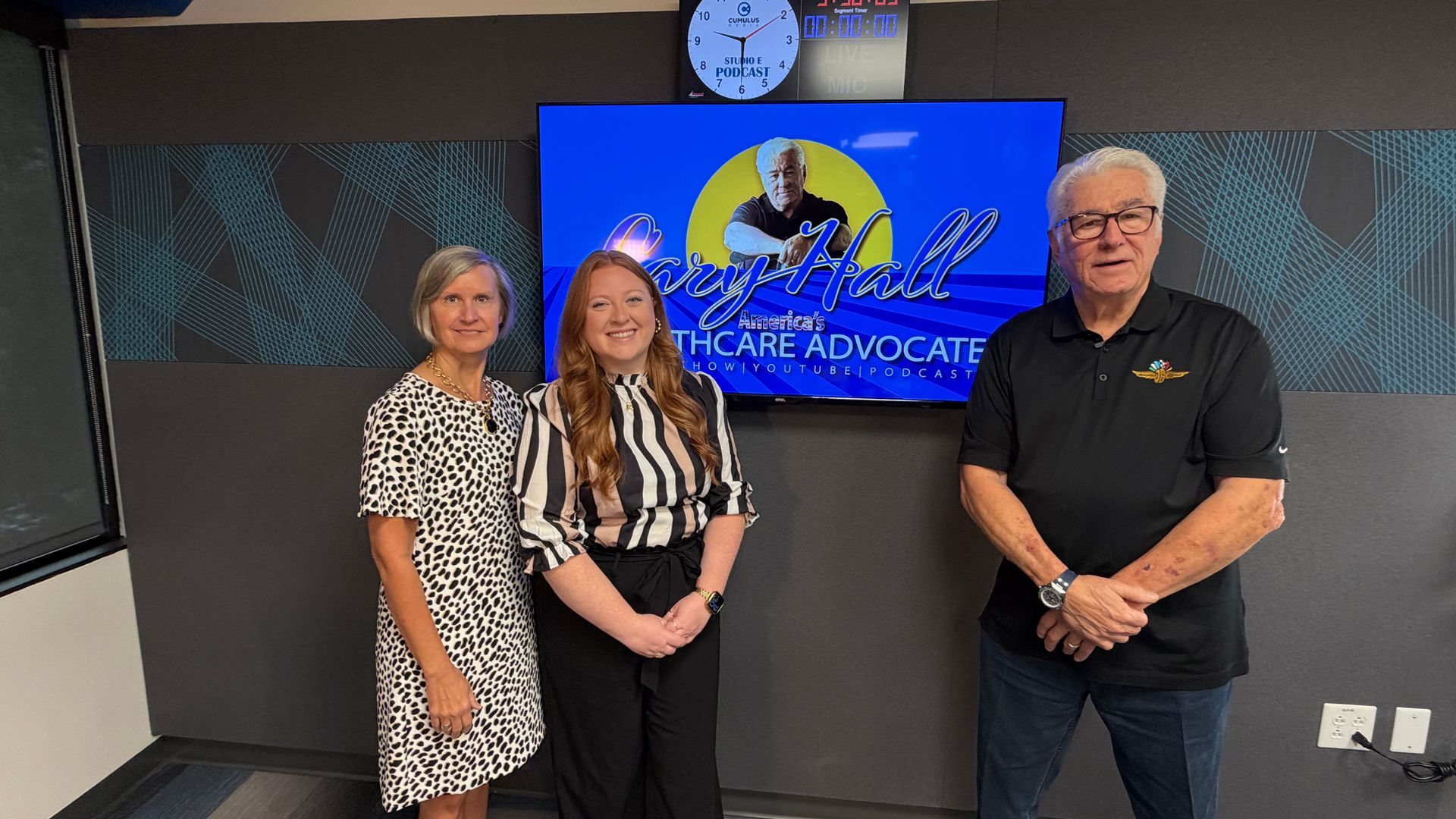
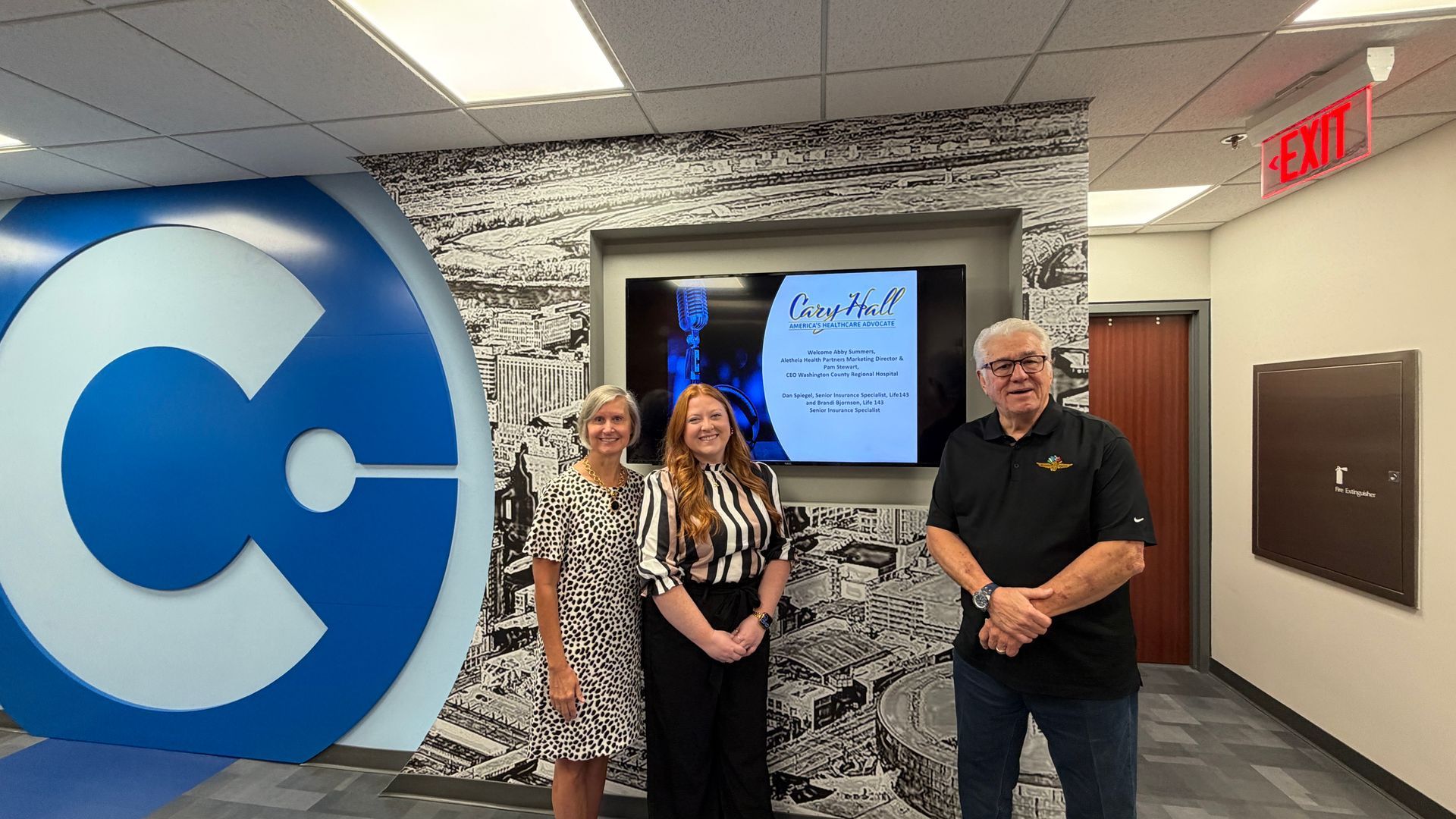
Our guests tell it firsthand: Pam Stewart is the CEO at Washington County Regional Medical Center, and Abby Summers from Aletheia Health Partners is my returning guest.
You’ve heard the term “urban food desert” which are city neighborhoods where residents lack easy access to fresh, healthy, and affordable food? Well, this is the same thing for rural families and small cities across the USA.
This is a fantastic hospital turnaround story!
This is season 22 episode 30 of America’s Healthcare Advocate. I’m Cary Hall
Learn more here: https://aletheiahp.com/from-crisis-to-comeback-washington-county-regional-medical-center/
--
Cary Hall, America's Healthcare Advocate brings you topics and guests that are relevant to your health, the health of your business, healthcare needs, as well as critical health insurance information. https://www.americashealthcareadvocate.com/
If you have a service, product or insight related to healthcare, health lives and heathy business, consider partnbering with us: https://www.americashealthcareadvocate.com/sponsors
Listen to this episode
Below are audio podcast players to stream from here on our website. or search for "America's Healthcare Advocate" on your favorite podcast platform.
On Rumble:
New Paragraph
Play full audio podcast (above) or find it by clicking from the list below:
iHeart
00;00;01;14 - 00;00;05;29
Announcer
And now America's Healthcare Advocate, Cary Hall.
00;00;06;01 - 00;00;26;18
Cary Hall
Hello, America. Welcome to America's Healthcare Advocate show broadcasting coast to coast across USA. Here on the HIA Radio Network, my Producers today Mr. Dave Thiessen and Garner Cowdrey here in studio with me at Cumulus Radio. And we are broadcasting across the country as we do each and every week. By the way, we all of our podcast YouTube channels, you can follow us.
00;00;26;19 - 00;00;48;18
Cary Hall
We've had a lot of interest in our podcast and YouTube, our newest number of downloads, all of you out there paying attention to the show 843,000. By remarkable. Thank you to all of you listening across the country and dialing in to our YouTube channel and all of our 16 podcast platforms. Well, today is is the second show that we are doing on rural health.
00;00;48;21 - 00;00;51;19
Cary Hall
Back in the studio with me today, Abby Summers. Welcome back Abby.
00;00;51;20 - 00;00;52;11
Abby Summers
Thank you Cary.
00;00;52;12 - 00;00;57;17
Cary Hall
Very happy to have you here. Happy to be here again. You're becoming, very familiar with Overland Park, Kansas.
00;00;57;18 - 00;00;57;24
Cary Hall
00;00;57;27 - 00;00;58;24
Abby Summers
That's right, that's right.
00;00;58;25 - 00;01;09;21
Cary Hall
And that's really great. And also in the studio is Pam Stewart. She is the CEO of Washington Regional Medical Center. Thank you for coming to town and doing this today, Pam. This is going to be quite a show.
00;01;09;24 - 00;01;10;20
Pam Stewart
Thank you for having me.
00;01;10;22 - 00;01;34;00
Cary Hall
Well, we're very happy to have you here. And I'm going to give you a little background on Pam. And again, remember the focus of these shows is on rural health. There is a crisis in this country, in rural communities trying to keep their hospitals open, not being swallowed up by the giant conglomerate, hospital systems, etc., etc. and being able to run their hospitals and make enough profit to keep the doors open and serve their community.
00;01;34;06 - 00;02;00;24
Cary Hall
It's a tricky issue. It's difficult for them. And and that's why we started doing these shows because we are on an enormous number of rural stations around the country, and we think this is an important issue. Luckily, today we have Pam Stewart in studio. She is the CEO of Washington County Regional Medical Center, a 56 bed hospital with a 60 bed extended care facility and several clinics and outpatient service centers in Sandersville, Georgia.
00;02;00;25 - 00;02;23;27
Cary Hall
We'll talk about all those centers of what they do as we go through the broadcast. She oversees a physician, physician and crew recruitment to ensure the best providers are caring for her community. That's really important to me. When I read this and I was doing show notes, I thought to myself, that's a that's a really important message to be able to recruit physicians, clinicians that are going to serve her community.
00;02;23;27 - 00;02;46;10
Cary Hall
You're going to hear a lot about her community. And this is what's indigenous to rural hospitals, and why I think it's important for these shows to be out there. Pam has has a decades long history with Washington County Regional Medical Center. She began working there in 1992 and her nursing career over the next 20 years, she advanced in nursing leadership roles as a director of nursing and chief nursing officer.
00;02;46;16 - 00;03;16;06
Cary Hall
Pam pursued another opportunity to work the Joint Commission, gaining deep insight into accreditation standards and board exposure to different health care facilities and operations. She brought that knowledge back to Washington County Regional Medical Center in 2023, where she now serves as CEO. And this is what's interesting Pam and her partners have led her team for the revival of their small rural hospital, a hospital that once was commonly found to be on the brink of closure.
00;03;16;11 - 00;03;40;01
Cary Hall
Now list on the Chartis 2026 Top 100 Rural Hospitals. Pam. That is a remarkable turnaround. So let's talk about how you went from almost closing to partnering with Aletheia. And now today you're one of the top rural community hospitals in the country. Pam.
00;03;40;03 - 00;04;17;29
Pam Stewart
Thank you so much. Yes, it's been quite a challenge. Quite the challenge. So if you spoke with anyone from our community before this in 2023, you would have heard Washington County Regional Medical Center is nothing but a band aid station. I would not take my dog there. So the challenge was changing the culture of the organization. And over the next two years, we focused on that of getting us to the point now that people are bragging of our hospital in the community.
00;04;18;02 - 00;04;24;29
Pam Stewart
They are proud to call it their hospital, and they're looking forward to coming to the hospital.
00;04;25;01 - 00;04;28;11
Cary Hall
Now, wait a minute, they're looking forward to coming to the hospital.
00;04;28;14 - 00;04;57;02
Pam Stewart
Okay. They do take, for example, our outpatient therapy. They come there and social hour. They're getting their therapy, but they look forward to it. And on their last day of their therapy sessions, they're saddened because they're having to leave. They finish their therapy. They don't need the therapy anymore, but they're missing the fact of coming into the hospital and seeing the staff and seeing other people in the community there at the hospital.
00;04;57;04 - 00;05;19;19
Cary Hall
So, you know, I love that phrase, a band aid station. And I told Abby and Kerry Trapnell, who were here, and we did the first show about working in rural southern Illinois, and there were two hospitals there and one of the hospitals. I remember having dinner with a group of leaders in the community, and the comment was made.
00;05;19;21 - 00;05;43;29
Cary Hall
I wouldn't take my dog to hospital care because people die there. I'm like, okay, we won't. So you had to. So you had to create trust within the community. So how do you do that? How do you turn that around? So because perception is reality for a lot of people. Okay. How did you manage to turn that around and get the trust that you have now?
00;05;44;01 - 00;06;08;19
Pam Stewart
Am first of all, I'm a nurse and I've been I had worked at that hospital for 20 years as a nurse, coming in as a CEO, getting out there on the floor and making myself visible to the patients, to the families and to the staff, and making an effort to hire people from the community to work in our hospital.
00;06;08;21 - 00;06;40;05
Pam Stewart
A lot of more like me when I finished high school and I got to college, if I can ever get out of Washington County, I am never coming back. Well, once I got out and sowed my wild oats and got experience as a nurse, I could not wait to get back to Washington County, get back home to care for my community, and bringing people back to the community who grew up there and have gained experience in the larger institutions across the state.
00;06;40;07 - 00;06;59;14
Pam Stewart
But to come back home. So everyone that comes through the doors of our hospital is either a family member or a friend of someone who works there, makes a huge difference when you come into the hospital. Number one, you're frightened or scared. You're unsure of what's going on, but you see a familiar face.
00;06;59;16 - 00;07;01;10
Cary Hall
And that makes a huge difference.
00;07;01;12 - 00;07;03;08
Pam Stewart
That makes the difference.
00;07;03;11 - 00;07;26;03
Cary Hall
So what you're seeing or what you're hearing here today is how this rural hospital reinvigorated itself and brought that community to trusted and be part of the community the way they need to be part of the community. We come back to break free to continue that discussion. Stay right there. You're listening to America's Healthcare Advocate broadcasting here on the HIA Radio Network.
00;07;26;09 - 00;07;36;05
Cary Hall
Coast to coast across the USA. We've got more. Don't go anywhere. We'll be right back after the break.
00;07;36;07 - 00;07;53;22
Cary Hall
Hello, I'm Cary Hall. You know, I'm 77 years old, and, you know, it's crossed my mind. I don't want to outlive my money. I'm sure you've had that thought, too. How would you like a report card that tells you exactly in an objective way, what your retirement strategy looks like? Are you going to outlive your money? Find out.
00;07;53;25 - 00;08;10;18
Cary Hall
Visit SageonRQ.ai and get your report card today. I'm Cary Hall. Now you know.
00;08;10;20 - 00;08;39;10
Cary Hall
Welcome back. You're listening to America's Healthcare Advocate show, broadcasting coast to coast across USA here on the HIA Radio Network. You can find out more about us by going to the website AmericasHealthcareAdvocate.com. All the shows are posted up there on 16 podcast platforms and YouTube platforms. If you want to tell somebody about the broadcast, maybe you're in a rural hospital, maybe you work there, maybe you're in a hospital, is challenged right now trying to figure out 340 B or whatever the case might be.
00;08;39;13 - 00;08;58;04
Cary Hall
No pun intended. You can certainly get all that information and go up and tell somebody, hey, watch this podcast or listen to the podcast. Watch the YouTube. You can do that. By the way, if you want to reach out to people at Akethea, this is how you do it. AletheiaHP.com I'm going to spell it. A L E T H E I A.
00;08;58;04 - 00;09;19;01
Cary Hall
That's AletheiaHP.com. All the information is on their website. You can actually contact Abby or Kerry and they'll be happy to chat with you about what they do. Maybe they can do for you what they did for Washington County Regional Medical Center. So as I'm listening to you and I'm reading the bio recruiting physicians and clinicians to Sandersville, okay.
00;09;19;01 - 00;09;36;26
Cary Hall
So I have to ask you, how hard is it to get a physician to want to come to a rural community in Georgia that it's not Atlanta? Okay. And it doesn't. So how how difficult is that? And then what is that experience been like?
00;09;36;28 - 00;09;49;04
Pam Stewart
Pam, it is extremely difficult to get a physician to come to a rural community such as Sandersville. First of all, I've got to find an interest. What what are their interests outside of hospital and health care?
00;09;49;04 - 00;09;50;22
Cary Hall
Interesting.
00;09;50;24 - 00;10;13;19
Pam Stewart
If they're interested in hunting, fishing, outdoors activity, then I can usually find something or someone to entertain them when they come to visit and show them what it's like to live in rural Georgia. If they have any interest whatsoever, we usually have a pretty good chance of getting them to Sandersville.
00;10;13;21 - 00;10;37;09
Cary Hall
And then do you find that once they're there, the charm, the community that the, the, the, the cohesiveness of the community, the the the the not living, the hustle bustle lifestyle of the big city, all of that starts to make a difference and they start to kind of go, wow, this is different. It's pretty good.
00;10;37;12 - 00;10;41;26
Pam Stewart
Correct? It is. Especially when you can get from your house to the hospital within about five minutes.
00;10;41;26 - 00;10;44;12
Cary Hall
That's a good point. Yeah. What about.
00;10;44;16 - 00;10;44;28
Pam Stewart
00;10;44;28 - 00;10;50;16
Cary Hall
I’ve been in traffic Atlanta having been there on multiple occasions. So yeah.
00;10;50;18 - 00;11;00;21
Pam Stewart
Absolutely. And too, to have that connection with your patients and their families, it's not just the patient, it's the families as well.
00;11;00;23 - 00;11;24;26
Cary Hall
Yeah. So you said something that in the first segment and I want to kind of go back to that. You go to, you know, large hospitals, you know, in this community and communities around the country, and you're not going to see CEO of the hospital walk in the floor, okay? Unless they know you okay, or they know you're there and you're and you have some commonality with whatever the upper echelon of that particular hospital might be.
00;11;25;00 - 00;11;41;28
Cary Hall
But otherwise that's not going to happen. And so for you to be when I talked about starting to change the minds of the community about we're not a Band-Aid station, we're a real hospital. That was your first that was the first thing you saw as the necessity to make that happen?
00;11;42;03 - 00;11;45;02
Pam Stewart
That's correct. To be visible.
00;11;45;05 - 00;12;08;26
Cary Hall
And then how do you interact with the community outside of the hospital? Are you attending the Lions Club? Are you? I mean, I've worked at a lot of rural communities from Paducah, Kentucky, to southern Illinois to, you know, Cameron, Missouri, you name it. Okay. It's I know you know, what it's like in these communities. How do you handle all those different groups of people interested in a community?
00;12;08;26 - 00;12;10;00
Cary Hall
Because there are a lot of them.
00;12;10;00 - 00;12;15;06
Pam Stewart
There are a lot, so I do, I get out, I'm involved in the community part of the chamber.
00;12;15;08 - 00;12;15;27
Cary Hall
Okay, serve.
00;12;15;27 - 00;12;48;04
Pam Stewart
On the chamber board. So I go to all of the business after hours, the ribbon cuttings, things of that nature and meeting with the civic organizations. I will share a story with you. When I first came back and served in this role, didn't enjoy going to the grocery store or to Walmart or stuff. Now a cause I would get stopped by everyone in there and they were explaining their experiences at the hospital, and it was all negative, of course, negative, negative, negative.
00;12;48;07 - 00;13;23;04
Pam Stewart
So yes, I was motivated to change that. And we did. We changed it. So now I enjoy going to Walmart in the grocery store and other places in the community. Why? Because now I'm hearing the great stories. It's amazing when the family or the patient can name the people that they encountered while they were at the hospital. I'm talking from the registration clerk, environmental services, the dietary staff, as well as the nurses I call them by name and tell me the difference that that made in their hospital stay.
00;13;23;06 - 00;13;34;25
Cary Hall
And you also said something in, in, in that opening segment. And I found this to be very true in rural communities. The pride of the community and saying, we've got something here that works. Talk a little bit about that.
00;13;34;28 - 00;13;46;05
Pam Stewart
They do. I refer to as my hospital. Our hospital. They're proud of it. So this year, we just opened a new emergency department.
00;13;46;07 - 00;13;48;23
Cary Hall
In conjunction with the good people from Aletheia.
00;13;48;24 - 00;13;49;17
Pam Stewart
Correct.
00;13;49;18 - 00;13;50;01
Cary Hall
Okay.
00;13;50;05 - 00;14;12;04
Pam Stewart
Correct. So in our prior emergency room, it was very tight quarters, eight beds. You had four beds that were separated by nothing but a curtain. So you can imagine in a small town, the patient in bed, one knew exactly who was in bed four. Right? Never laid eyes on them, but they knew that voice, and they knew everything about their medical situation.
00;14;12;09 - 00;14;24;16
Pam Stewart
Right. So by the time that patient in bed four was discharged, everybody in the community knew about it. So my goal was, when we build this new space, everyone's going to have privacy.
00;14;24;18 - 00;14;26;02
Cary Hall
And you were able to accomplish that.
00;14;26;03 - 00;14;35;00
Pam Stewart
We did. We did. So everybody now they love to come. They want to come visit the emergency room, not as a patient.
00;14;35;04 - 00;14;36;17
Cary Hall
Yeah. Thank you.
00;14;36;19 - 00;14;43;10
Pam Stewart
Not as a patient, but as a visitor. They want to come see it and they are so proud of it. They're like, oh wow.
00;14;43;12 - 00;15;04;23
Cary Hall
And you know, my experience in rural communities is, that that is a critical part of a rural community, especially if the agricultural based community, that kind of thing, because there are accidents. I mean, farm accidents are not pretty. When people get a hand caught in a combine. We're here in Kansas where we grow a lot of wheat. Okay.
00;15;04;23 - 00;15;27;15
Cary Hall
Or or, you know, they're out with cattle and and they get hurt. I've got a friend in his ranch down in Texas. I can tell you stories about Brahma bulls that I have no idea why George still does what he does. But those accidents are serious. And there has to be a good ER. Because if there isn't, they’re 45, 65, 75 miles away from someplace can help them.
00;15;27;15 - 00;15;28;16
Cary Hall
I right or wrong about that?
00;15;28;16 - 00;15;33;01
Pam Stewart
You're absolutely correct.
00;15;33;03 - 00;15;36;00
Cary Hall
And and so that was critical to this turnaround piece.
00;15;36;01 - 00;15;46;25
Pam Stewart
It was. So you mentioned that very interestingly, we are in an area where we have three counties that touch Washington County that do not have a hospital.
00;15;46;28 - 00;15;48;07
Cary Hall
Wow.
00;15;48;09 - 00;15;51;21
Pam Stewart
So it's not that we're just servicing our community.
00;15;51;23 - 00;15;52;14
Cary Hall
That whole area.
00;15;52;15 - 00;15;56;11
Pam Stewart
That whole area and that whole area is our community.
00;15;56;14 - 00;15;57;25
Cary Hall
That's remarkable.
00;15;57;28 - 00;16;08;15
Pam Stewart
So we had it's been about three weeks ago now. We received a phone call from one of those counties from their EMS. They had a gentleman that had gotten his leg caught in a combine.
00;16;08;15 - 00;16;10;20
Cary Hall
That's it. It's not a pretty sight.
00;16;10;21 - 00;16;22;11
Pam Stewart
No it's not. So we loaded up in our ambulance EMS, a nurse or two nurses, actually, and a general surgeon to go to that county.
00;16;22;13 - 00;16;38;11
Cary Hall
And you went there and did what needed to be done. Correct. Remarkable. You know, we come back from the break we’re going to continue the conversation. Now we're going to shift gears, and I'm going to ask Abby to talk about this partnership. How did they do that? How did they build that new E.R.? What does that mean? What are the other things they've done?
00;16;38;16 - 00;17;07;20
Cary Hall
And how did Aletheia lay out the blueprint to work with Pam and the community to turn this hospital into one of the top 100 rural hospitals in the country? We'll be right back after the break. You're listening to America's Healthcare Advocate Broadcasting here on the HIA Radio Network coast to coast across USA. If you want to learn more, go to the website AletheiaHP.com I'll spell it A L T H E I A H P .com is website.
00;17;07;20 - 00;17;24;27
Cary Hall
All this information is up there. Go to the website. You'll be surprised what you learn. Stay right there. We'll be right back.
00;17;24;29 - 00;17;43;20
Cary Hall
Welcome back. You're listening to America's Healthcare Advocate broadcasting coast to coast across the USA in studio with me today, Abby Summers from Aletheia Health and Pam Stewart. She is the CEO of Washington County Regional Medical Center in Sanderson, Georgia. We are very happy to have them here. They came in studio to do this show. The topic is rural health.
00;17;43;20 - 00;18;08;20
Cary Hall
The topic is how do you turn a hospital around that's failing, into the top 100 hospitals, rural hospitals in the country. So let's just start right there. Abby, you all were there doing 340 B and working with the pharmacy. You've got a new E.R. facility you've built, you know, other pieces into this, upgraded facilities, trauma rooms, private rooms, all these different things that you've done.
00;18;08;27 - 00;18;12;21
Cary Hall
Talk about how old how did that start and where did you go from there?
00;18;12;21 - 00;18;29;02
Abby Summers
Yeah. So we you know, we talked in the, in the first, you know, segment that we did with you a couple of weeks ago that our, our pharmacy services division was kind of that open door into getting into some of our hospitals. And ironically enough, Washington County Regional Medical Center is not eligible for 340 B. That could be a whole episode on its own.
00;18;29;04 - 00;18;30;06
Cary Hall
But we'll have to do that.
00;18;30;06 - 00;18;52;18
Abby Summers
What we will. But we had onsite pharmacy services there, managing the pharmacy department, and then we had overnight remote services at place. So we knew the hospital, we knew the teams, we knew some of the challenges just based off of the the interconnect ability, I guess, of the pharmacy department throughout all the areas of patient care. So, you know, we saw data, we saw things, we heard struggles.
00;18;52;20 - 00;19;03;11
Abby Summers
And around that same time, you know, our leadership at Aletheia and in our pharmacy company, Pharm D on Demand, you know, we were looking at data. We were itching to do something with it.
00;19;03;12 - 00;19;09;15
Cary Hall
So you saw would you say looking data, you saw all the problems through the data you were collecting on the hospital?
00;19;09;16 - 00;19;29;03
Abby Summers
We could see charges, we could see reimbursement. And in that conversation, the the hospital board opened the door to conversation about, okay, let's look at what y'all found. Let's look at, you know, what information you have here. And so it really just started very organically. Gary Trapnell had come on to our team around that time. And the board, you know, was open to conversations with us.
00;19;29;03 - 00;19;49;07
Abby Summers
And and really that's what spearheaded the Aletheia name is just absolute truth. We wanted to give them the truth about what was going on in their facility. And we talked before, you know, rural hospitals, they have all of the they have an EMR system, but they maybe don't have the resources to have a verified expert in knowing the ins and outs of those systems.
00;19;49;12 - 00;20;14;00
Abby Summers
You've got a nurse over here who's really championed learning some of the clinical sides. You've got somebody in the pharmacy department or maybe even somebody on our remote team that's championed knowing those chargemaster. So you've got the expertise there, but it's so segmented that it's not all in one mind. So we were able to kind of take our collective knowledge of the systems and really paint them a picture of, hey, here's some things that you might want to look at.
00;20;14;02 - 00;20;35;11
Abby Summers
So the relationship under Aletheia with Washington County started very organically and just really came from an openness to conversation that two people were willing to have. So that progressed into having, you know, a relationship with them probably started in more of a consulting type role before it moved into full management of the facility and just building that trust.
00;20;35;11 - 00;20;42;25
Abby Summers
So, like Pam mentioned earlier, building the trust within the community, we had to come in and build that trust with the hospital. They had had several management companies.
00;20;43;02 - 00;20;46;19
Cary Hall
They had done this. You didn't say this. You had done this before and it didn't work.
00;20;46;19 - 00;20;47;07
Pam Stewart
Correct?
00;20;47;15 - 00;20;47;27
Cary Hall
Okay.
00;20;47;27 - 00;20;57;17
Abby Summers
So they had had several management companies, you know, in the 20 years prior, maybe to the tune of about eight management companies at the hospital, more or less.
00;20;57;19 - 00;21;08;10
Pam Stewart
Less management companies. Okay. But we had had a turnover of CEOs. We had had probably 8 to 10 CEOs in a very short window.
00;21;08;12 - 00;21;09;04
Cary Hall
Okay.
00;21;09;07 - 00;21;32;04
Abby Summers
All right. You know, just having that a lack of consistency in the driver's seat of the hospital. You know it doesn't set anybody up for success. So that was one of the things that we wanted to help solve the problem of is give them a longevity plan. So just as that progress, one of the things that we heard and recognized was they needed somebody who is committed to this hospital.
00;21;32;04 - 00;21;48;03
Abby Summers
We saw that turnover. We saw the record of that turnover and knew that one of the biggest solutions that we could help come alongside them to provide is somebody who loved that community and loved that hospital and wouldn't run away at the sight of a challenge.
00;21;48;05 - 00;21;48;12
Cary Hall
Hence, Pam.
00;21;48;12 - 00;21;59;11
Abby Summers
Correct? Correct. So, you know, as as the Aletheia relationship progressed with the board and with the hospital, it was very evident you know, who needed to step into that role.
00;21;59;14 - 00;22;19;20
Abby Summers
And, you know, Pam's track record with the hospital, you know, having worked there for so many years beforehand before taking on a new role with the Joint Commission and then coming back to the hospital, it was evident that she was passionate about it, passionate about that community. And, you know, I'll let her speak to if she if she was just chomping at the bit to step into the CEO role.
00;22;19;22 - 00;22;44;08
Abby Summers
I think you know that the feelings about that may, may have changed daily in that in that time frame, but it was just something that we knew was so important that it needed to be someone local. It needed to be somebody who could interact with the community and like Pam said, you know, she dreaded going to Walmart, going to the grocery store there on the front end because it was just kind of like drinking from a water hose for problems that she may not have even ever had anything even there.
00;22;44;08 - 00;22;45;04
Cary Hall
What had happened.
00;22;45;07 - 00;23;10;12
Abby Summers
Right? Yeah. But now that's one of the things that that we see so valuable in this relationship is that she's accessible to the community. She, you know, that that may be a bad thing sometimes because sometimes her phone doesn't stop ringing and she might get interrupted at dinner in the community. But that's that's why she's so good at her job is because she welcomes that feedback, and she personally takes that responsibility of the hospital and the success of it.
00;23;10;15 - 00;23;15;14
Abby Summers
And seeing patients genuinely be happy about coming to get their care there.
00;23;15;14 - 00;23;33;24
Cary Hall
Yeah, it just makes me think of a store. I used to work with, the CEO of Cancer Treatment Centers of America in Tulsa, Oklahoma. He is now the CEO of Detego Health, a company which I help found, and own part of. And I remember being at dinner with Rich Haldeman one night, we were at a very nice restaurant having dinner, and right in the middle of dinner he gets a call.
00;23;33;26 - 00;23;51;14
Cary Hall
There was a patient at the hospital with their family who was unhappy with something that now these people are in there for critical cancer treatment. Many of them were terminal. We did a lot of radio work for CTCA in those days. He got a lift to dinner. Sorry, I have to go. Well, I finished dinner and I also got the check.
00;23;51;17 - 00;24;12;00
Cary Hall
But but I when I, I use that as the illustration to say you don't know him when you're going to be called at church, at a soccer game with your grandchildren, whatever the case may be, and have turned and go right back, that's a level of dedication you don't see very often. And I think that resonates with community.
00;24;12;00 - 00;24;12;27
Cary Hall
Wouldn't you agree?
00;24;12;27 - 00;24;14;05
Pam Stewart
Absolutely.
00;24;14;07 - 00;24;21;24
Cary Hall
Yeah. So when you did the blueprint of what needed to be done with the hospital, how high on the list was the new E.R.?
00;24;21;27 - 00;24;45;05
Abby Summers
I think it was pretty high on the list. You know, that Kerry Trapnell really spearheaded the the initial relationship boots on the ground with the hospital team meeting with the board, meeting with Pam, meeting with department level leadership. But they created a roadmap for about two years of all the different projects for things like expanding, you know, wound care services to building a whole new emergency department.
00;24;45;05 - 00;25;03;24
Abby Summers
You know, those are not very comparable in the in the lift and the financial that it takes to do those. But we knew that we needed a continual image of something to hold everybody accountable to. We want this hospital to turn around. We want it to be better. So let's put those place markers on a map, on a roadmap and say, this is our goal.
00;25;03;24 - 00;25;10;10
Abby Summers
Obviously things shift. You've got to get bids, you've got to get money, you've got to, you know, work with different people that can bring those services in.
00;25;10;10 - 00;25;15;28
Cary Hall
So but that's what you guys do. That's your job, right? Their job is to implement what you put in play.
00;25;15;29 - 00;25;16;15
Abby Summers
That's right.
00;25;16;15 - 00;25;36;20
Cary Hall
And and then together with that partnership to make it a success and and the I didn't know this piece about you're serving three different communities in one hospital. So the level of importance for this hospital is significantly different than what initially you thought it was going to be when you came in. That's right. I'm guessing right. You learned this on the fly.
00;25;36;21 - 00;26;10;15
Abby Summers
That's exactly right. And, you know, so looking at the emergency department and realizing, you know, of all the areas that that could get, an overhaul, I think you mentioned this in the first episode we did with you guys. You know, that's the entry point for a majority of your patients. Yes. Most people are coming through the ED that are going to maybe get some form of a radiology, procedure done, or they get admitted to the floor or they ultimately need to come back for physical therapy, or maybe they need to have a surgery so that that emergency department is the entry point of care for most of the community members that are coming
00;26;10;22 - 00;26;40;03
Abby Summers
in. As Pam mentioned, it was it was it was not private. It was very crammed. It just was not a place that in a in people's time of need and one of the scariest moments of their life that they maybe felt like they were getting safe and private care. So we knew it was very evident that the ED needed to be the first step towards putting Washington County Regional Medical Center back in the in the the trusted circle of the community building that trust with the community and saying, hey, we've heard you.
00;26;40;06 - 00;26;43;23
Abby Summers
We hear what you're saying on social media when you see Pam in the grocery store.
00;26;43;25 - 00;26;52;14
Cary Hall
I thought about that. Yeah, I don’t even want to know what social media was like when you first got there. Pam. Yes, it was a little you probably weren't doing a lot of Facebook work.
00;26;52;17 - 00;26;56;01
Pam Stewart
I was not yeah. I did not enjoy being on social media.
00;26;56;05 - 00;26;58;08
Cary Hall
I could see where that might have been an issue.
00;26;58;09 - 00;27;13;25
Abby Summers
Yeah. You know, it's a combination of seeing the logistics of of how the, the overall process of care starts in the emergency department, but also listening to the community and hearing where their biggest pain points were with, with coming to the hospital. And it was just so evident that the ED was where we need to start.
00;27;14;03 - 00;27;29;17
Cary Hall
We come back from the break, we'll talk about all the other things they implemented and what what does that all mean? Now, at the end of the day, with the success with this hospital, it's quite a story. If you want help, if you're in a rural community and you're listening this, you think, you know what? We need to talk to these people.
00;27;29;17 - 00;28;02;19
Cary Hall
Yeah, you probably do. It's AletheiaHP.com A L E T H E I A HP .com. That's her website. Go to the website, send them a message. They'll be happy to get in touch with you. Stay right there. We'll be right back after the break. You're listening to America's Healthcare Advocate Broadcasting here on the HIA Radio Network. Coast to coast, USA. Don't go anywhere.
00;28;02;21 - 00;28;24;27
Cary Hall
Welcome back. You're listening to America's Healthcare Advocate show, Broadcasting Coast, Coast to Coast, USA. My producer, Dave Garner Cowdrey and Dave Thiessen, as always, doing a great job here at our Cumulus Studios as we get this show on the air. For all of you in studio with me today, Abby Summers from Aletheia Health and Pam Stewart, she is the CEO of Washington County Regional Medical Center in Sanderson, Georgia.
00;28;25;05 - 00;28;38;25
Cary Hall
I'm going to go right back to you. Pam. Was something a story that you started on when you packed up your team and your doctor and two nurses went to the other community in this man caught his leg in a combine. What happened when they got there, Pam?
00;28;38;27 - 00;28;58;15
Pam Stewart
So when they arrived, the surgeon got on site and he looked and he said, that tourniquet, it's too high. They have placed a tourniquet there to stop the bleeding. He said it's too high. And I said, no, sir, it's not. We're leaving it there. He said, I'm telling you, lower the tourniquet. By lowering that tourniquet, we can potentially save that joint right there at his knee.
00;28;58;17 - 00;29;07;20
Pam Stewart
That will help him immensely when he gets a prosthesis with the mobility of that, if you're going to leave it up higher, he's going to lose that knee joint.
00;29;07;22 - 00;29;08;29
Cary Hall
And that made a difference.
00;29;09;04 - 00;29;10;16
Pam Stewart
It did.
00;29;10;19 - 00;29;28;10
Cary Hall
And so aside from that, they saved his life. Correct. Okay. So are you doing training and working with EMS in the other counties to make sure they are up to speed on these kinds of things and helping them work with you so they're able to provide better services in their community when they bring people to you.
00;29;28;13 - 00;29;38;10
Pam Stewart
We have not worked with them individually, but what we have done is we own our EMS service. The hospital does, which is very unusual. Yes. Very unusual.
00;29;38;10 - 00;29;41;11
Cary Hall
So it usually the county owns it. That's very unusual.
00;29;41;11 - 00;29;50;02
Pam Stewart
Your county either owns it or they have. Yeah. Outsourced it. So those are our employees and our team members.
00;29;50;05 - 00;29;50;27
Cary Hall
Much different.
00;29;50;29 - 00;29;51;24
Pam Stewart
Absolutely.
00;29;51;24 - 00;29;52;11
Cary Hall
Okay.
00;29;52;14 - 00;29;57;23
Pam Stewart
So when you get a call like that and they call me what do we do? I said you go you go.
00;29;57;23 - 00;30;14;23
Cary Hall
Interesting. That speaks volumes under commitment. Let's shift gears a little bit, Abby. What are some of the other things you liked? Obviously the air was huge that we just told a story about a man getting caught in the combine right? So it was a huge thing. But let's work. What other things were you able to. I know the ortho thing is a big deal.
00;30;14;26 - 00;30;21;09
Cary Hall
Let's talk about that for a minute. What did you do to improve that? How do you have an orthopedic surgeon now on staff? How does all that work?
00;30;21;09 - 00;30;40;13
Abby Summers
Right. So you know, in rural hospitals there's a lot of collaborative opportunities that present themselves with larger systems or with other just larger independent hospitals around. So Washington County already had some some relationships with some orthopedic surgeons, but it wasn't quite driving the O.R. volumes that they would like to see. And then therefore, the reimbursement they'd like to see.
00;30;40;13 - 00;30;55;19
Abby Summers
So, you know, in these rural communities, we are God fearing people and we we truly believe that the Lord just truly placed one in, in our laps in Sandersville. And, you know, normally the lead time of getting a surgeon, especially an orthopedic surgeon, that's.
00;30;55;20 - 00;30;57;15
Cary Hall
Especially in a rural community, right?
00;30;57;20 - 00;31;28;04
Abby Summers
Good luck. Tenured. You know, that can be six months to a year long process. And I think this one shaped up in about two months. And it was it was a connection of of a hospital employee. And just truly the right surgeon fell into their laps that was looking to get out of the corporate system of, of the, of the surgery, group that he was with and was just kind of not looking to retire, but maybe ready to kind of land the plane a little bit and, and really just get back to doing surgeries and getting to care for patients.
00;31;28;04 - 00;31;45;18
Abby Summers
And so they had fallen in love with with Sandersville. They had some family ties there. And it truly just was, was something that fell into their laps in the best way possible. I'll let Pam kind of speak to, you know, how that all came to fruition and what that has done for the hospital since Dr King came on board.
00;31;45;20 - 00;31;53;20
Pam Stewart
It's a huge impact for our community. As you can imagine, Orthopedic services generates great revenue for hospital.
00;31;53;20 - 00;31;54;17
Cary Hall
Yes.
00;31;54;20 - 00;32;09;19
Pam Stewart
And that was enormous for our community. But to have an orthopedic surgeon in a small town in rural Georgia, it's unheard of. We had had an orthopedic surgeon about 25 years ago.
00;32;09;21 - 00;32;11;17
Cary Hall
But then a bit of a gap.
00;32;11;20 - 00;32;19;09
Pam Stewart
Absolutely, absolutely. Anyway, it was a great, just like Abby said, a godsend for us.
00;32;19;12 - 00;32;19;17
Abby Summers
Yeah.
00;32;19;19 - 00;32;39;17
Cary Hall
You know, Abby, you said something and say I kind of listen to for a second. Pam talked about the first segment being able if if they if they're outdoors, people like to hunt. They like to fish. You know, maybe they just like being outside. Maybe they want to have a small farm, you know? But you said something interesting that he just wanted to get out of the corporate hospital system.
00;32;39;17 - 00;32;59;07
Cary Hall
And and they are systems and they do have quotas. I'm a lot of people like, would be happy to hear that, especially in some big hospitals. But that's a fact. Okay. And the primary care docs, the average time to the primary care doc in a in a in a large hospital was five is 7.5 minutes. That's the average time of, you know, a patient.
00;32;59;07 - 00;33;17;02
Cary Hall
You know, it's a little different I would bet in your hospital. So so does that help you. And when you're looking at rural hospitals, see, maybe you ought to think about, you know, looking to recruit in that large community because maybe there is a doctor there who's tired of the rat race and would like to be able to do, Pam said.
00;33;17;04 - 00;33;22;25
Cary Hall
Just wants to do ortho surgeries, not all the other nonsense that they're forced to do.
00;33;23;02 - 00;33;37;14
Abby Summers
Yeah, but, you know, I think he was just looking for that slower pace, still wanted to care for patients, but had he had done the rat race, he had been in that in that role. And and, you know, I think was just really looking to get back to the roots of why he got into surgery to begin with, which was just a care for patients.
00;33;37;14 - 00;34;09;20
Abby Summers
And one thing that has been so impressive to me about him is, you know, he's not just going to automatically decide or determine that a patient needs surgery. Obviously, like Pam mentioned, orthopedic surgeons are a great revenue generation for the hospital, but he is looking at the whole person care, even just from an orthopedic perspective, so the patient can can get pain relief by injections or by him working in tandem with physical therapy and trying to, you know, create solutions for this patient where they don't have to go under the knife.
00;34;09;23 - 00;34;31;10
Abby Summers
That's what he's looking for. You know, surgery is what he specializes in. But it's it's not always his first go to for a solution for a patient, because he wants them to have long term care and long term success with the care that he provides to them. You know, a lot of times surgery comes with recovery. There are some patients that aren't great candidates for a knee replacement surgery.
00;34;31;10 - 00;34;50;12
Abby Summers
So those are all the things that he's considering. And it's not just about the quotas or the dollars. He's looking at what's going to be best for this patient holistically. Is it going to be some injections coupled with the coupled with physical therapy, or do we need to go ahead and do surgery right now while they'll have a better opportunity to recover now as opposed to a year or two down the road.
00;34;50;16 - 00;35;23;12
Cary Hall
And, you know, you know, I want to make this really clear to the audience. Yeah. And you heard Pam say it, and you heard Abby say it. The ortho generates a lot of revenue. Well guess what? Okay. You have to have revenue to run a hospital. And if you want to have services like they have now at Washington County Regional Hospital and be one of the top 100 rural hospitals in the country, maybe it's important to have those pieces in your hospital that are going to generate the revenue that's going to allow you to do all these other things, like build a brand new ER, all the rest of it, because now you're
00;35;23;12 - 00;35;42;19
Cary Hall
generating money to make this a positive experience so you can turn around and do better things for your hospital. It's remarkable success story, both of you. It's absolutely remarkable what you've been able to do. The the partnership, your dedication Pam, to come back and how you all Abby have created all this for them. It's a great story on rural health in this country.
00;35;42;22 - 00;36;08;01
Cary Hall
And this is why we do these shows. The idea here is to educate and inform. I hope that's what we did today. The website. If you want to learn more about Aletheia Health, and maybe you've got a hospital in trouble in your community, go to the website. AletheiaHP.com. A L E T H E I A HP .com. That's the website. They'll be happy to chat with you and they can probably help you if you need help in your rural community.
00;36;08;07 - 00;36;25;01
Cary Hall
And now I leave you with this thought from Albert Einstein, the one who follows the crowd usually get no further than the crowd. The one who walks alone will find himself in places no one has ever been. Remember, friend? It's a funny thing about like if you refuse to accept anything but the very best, you most often get it.
00;36;25;03 - 00;36;32;10
Cary Hall
Thank you for listening to America's Healthcare Advocate broadcasting coast to coast across USA. Goodbye America.