S22 E25 - Why Do Rural Hospitals Struggle?
Is Your Hospital Closing?
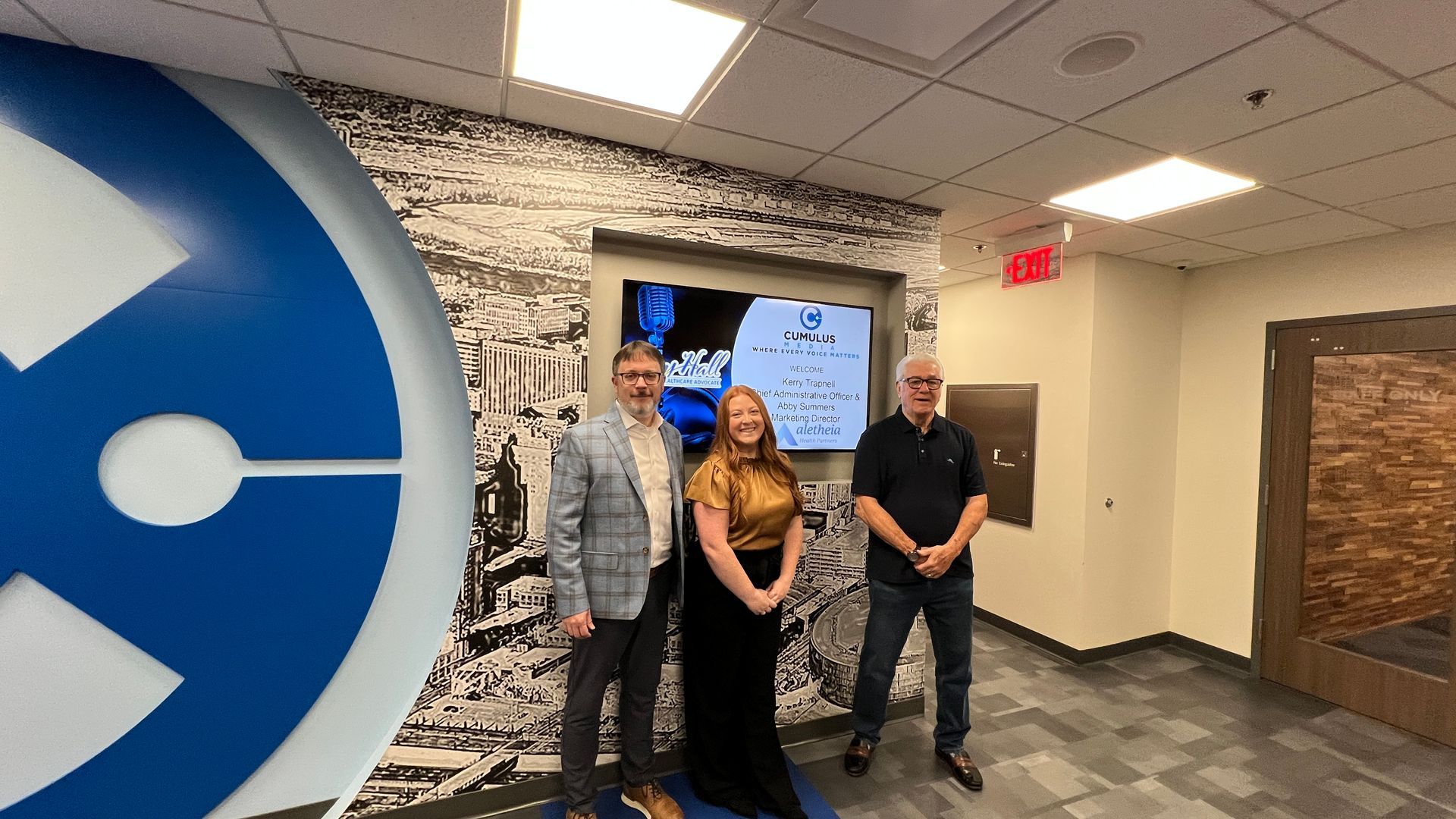
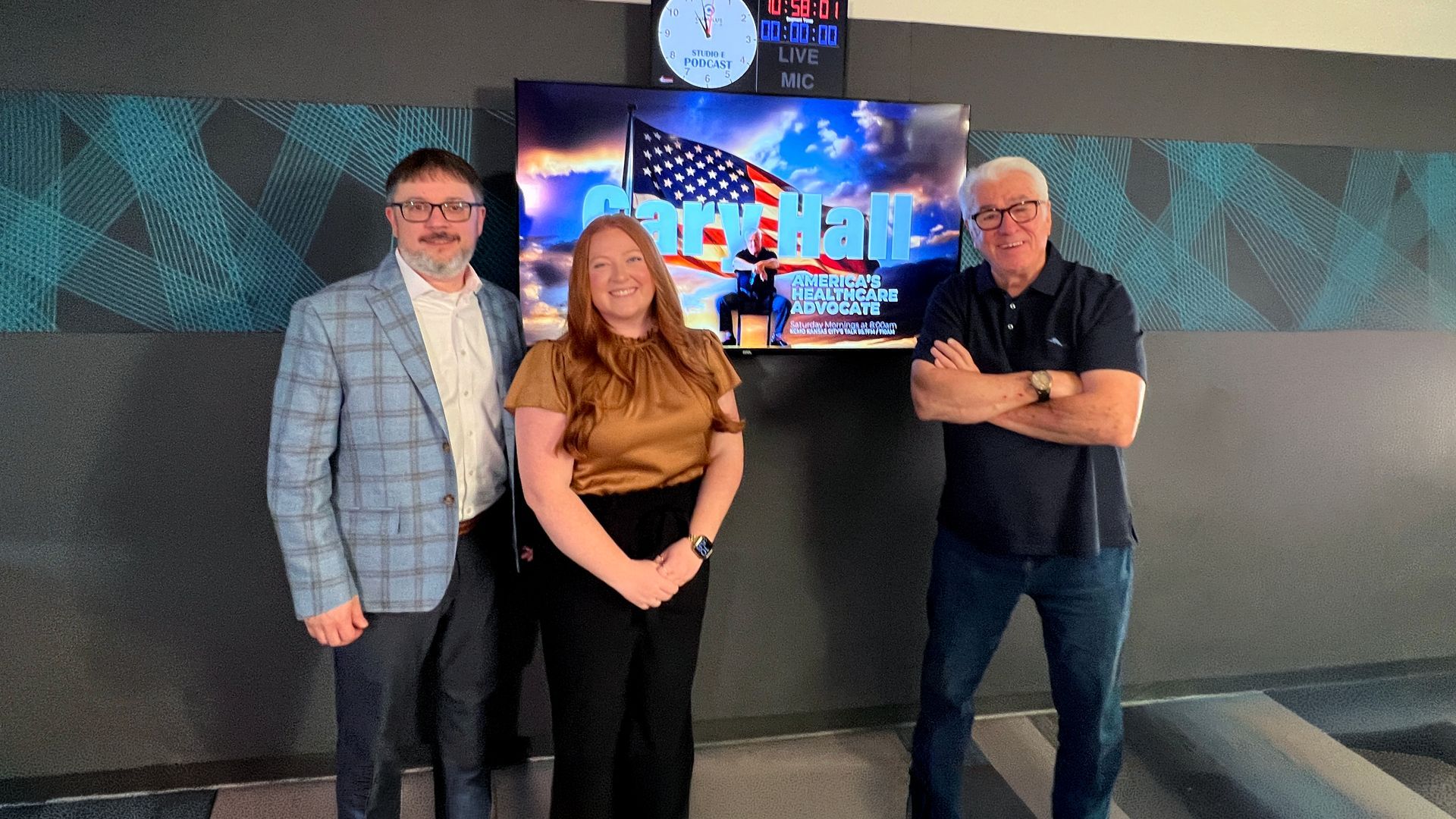
Abby Summers and Kerry Trapnell from Aletheia have a much better plan for rural hospitals
Host:
Cary Hall, America’s Healthcare Advocate
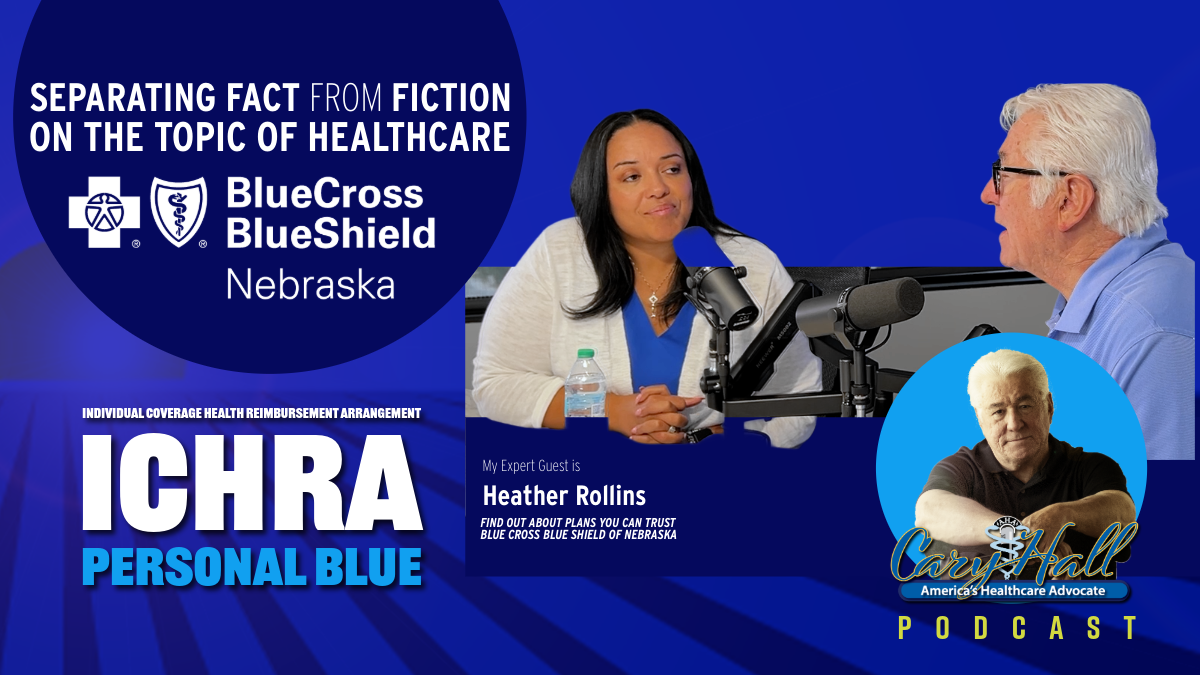
S22 E25 - Why Do Rural Hospitals Struggle?
Is Your Hospital Closing?
Abby Summers and Kerry Trapnell from Aletheia have a much better plan for rural hospitals
How Healthy is your hospital? Many rural hospitals either close or they are taken over by a large group. But Abby Summers and Kerry Trapnell from Aletheia have a much better plan for rural hospitals that is making them stronger and helping them succeed, lead and grow.
We'll discuss 340B for rural hospitals and how it works, how to go from losing money to breaking even and making a profit at your rural hospital, and how both of my guests share a passion for Aletheia Health Partners’ mission to improve the operations and sustainability of rural hospitals.
This is season 22, episode 25 of America's Healthcare Advocate. I'm Cary Hall.
To learn about Aletheia Health: https://aletheiahp.com
And if you need my help or have something to share? Send me a message: Contact Cary Hall, America's Healthcare Advocate:
https://www.americashealthcareadvocate.com/contact-us
Listen to this episode
Below are audio podcast players to stream from here on our website. or search for "America's Healthcare Advocate" on your favorite podcast platform.
On Rumble:
Watch the video shorts from Kerry & Abby:
Play full audio podcast (above) or find it by clicking from the list below:
iHeart
Episode 2225 Transcript:
Cary Hall
Coming up on today's show, I have two guests in studio. They're actually experts in rual health. Why would I do a show on rural health? Because there's a crisis in this country with rural hospitals struggling to stay alive, and they're going to talk about how they've been able to at Aletheia Health make a difference. So Abby Summers is here in studio with me today along with Kerry Trapnell.
00;00;20;01 - 00;00;28;19
Cary Hall
And they're going to talk about this. Stay tuned. Listen and learn, especially if you live in a rural community or you have relatives in a rural community.
00;00;28;22 - 00;00;32;20
Cary Hall
And now America's Healthcare Advocate, Cary Hall.
00;00;32;27 - 00;00;45;00
Cary Hall
Hello, America. Welcome to America's Healthcare Advocate show, Broadcasting Coast to coast across the USA here on the HIA Radio Network. My producer today, Mr. Gardner Cowdrey, he is behind the microphones here at Cumulus Studios.
00;00;45;05 - 00;01;06;24
Cary Hall
And Dave Thiessen, who does all these shows on all of our podcast and YouTube platforms, by the way, 713,000 downloads out there because of all of you in this audience. We greatly appreciate it. And we also appreciate all of you listening across the country. Our newest affiliate WMOH AM, Cincinnati, Ohio. Welcome aboard to the America's Healthcare Advocate Family.
00;01;07;01 - 00;01;33;19
Cary Hall
If you are chronologically challenged and looking for Medicare or you just need an ACA policy, you can always call the folks over at RPS Benefits by Design, now, Levitt Strategic Benefits. You can reach them at 877-385-2224. The lovely Maria Ahlers is always available to help with any kind of group policy, whether it's 2 or 3 lives or 300 lives anywhere in the country, they're happy to chat with you and see if they can help you.
00;01;33;19 - 00;01;57;22
Cary Hall
877-385-2224 at Levitt Strategic Benefits in studio with me today. This is going to be an interesting show. I have Abby Summers and Kerry Trapnell here and they are here from Aletheia Health and they flew in here from Georgia. We had dinner last night and this is a show I've really wanted to do for a long time on rural hospitals and rural health.
00;01;57;24 - 00;02;18;01
Cary Hall
We have a crisis in this country, in the rural communities, when you go out to Scott City, Kansas, when you go in, you know, to to Grand Junction, Colorado, when you go into these, you know, the small towns, Hays, Kansas, go, you know, wherever the case may be. Tupelo, Mississippi, how are their hospitals doing? Well, many of them are closing.
00;02;18;01 - 00;02;37;19
Cary Hall
They're closing all over the place. It's very interesting, Senator Josh Hawley, in the last funding bill that went through either the end of last year, first, this year was adamant about the need to keep funding rural hospitals. Well, we're going to talk about that crisis today. Why is it important? And I know a lot of you listening here in the big metro areas or, you know, what does this have to do with me?
00;02;37;23 - 00;03;00;21
Cary Hall
Well, a lot of folks here, have relatives, have mothers, grandmothers, my producer, Dave Thiessen, other people that live in these rural communities, those hospitals are critical to the community. So with that, Abby, I'm just going to ask you to start talking about Aletheia Health. You all specialize in rural hospitals. You specialize in helping them learn how to do what they need to do better.
00;03;00;23 - 00;03;18;12
Cary Hall
And most importantly, stay open, right? So you have to have a passion for this. And both you and Kerry do here in studio with me today, we talked a lot about this at dinner last night. So let's just talk about Aletheia and you know, how the company came into existence and what you all do.
00;03;18;13 - 00;03;43;11
Abby Summers
Sure. So talking about the history of the company, we've got to go back about 20 years. So 20 years ago this year, our founders started FarmD On Demand, which was a pharmacy services company, and it came from this idea of our founder, Michael Assolin, was working in a small rural hospital. His pharmacy was open from 8 to 5, and he went home every day knowing his patients drug orders were not getting verified in real time.
00;03;43;14 - 00;04;02;01
Abby Summers
He has a passion for technology, so he started just logging in overnight, worked out some details with the hospital IT department to be able to log in and check those patient orders overnight, and then everything from there just grew naturally. We started remote pharmacy services, actually in Tennessee first, because the state of Georgia wouldn't allow us to begin that.
00;04;02;01 - 00;04;06;23
Cary Hall
That was kind of funny. You talked about that unless they did or you're headquartered in Georgia, but you couldn’t to do business there.
00;04;06;24 - 00;04;07;09
Abby Summers
That's right. It was.
00;04;07;09 - 00;04;08;01
Cary Hall
It's changed.
00;04;08;04 - 00;04;29;28
Abby Summers
It has it has tremendously. But there were about 2 or 3 years where we were working outside of the state of Georgia before the state of Georgia would allow remote pharmacy services to be offered there. And then from there, every service from the pharmacy perspective grew very naturally. We started managing on site pharmacies because we were doing such a good job handling things remotely that some hospitals said, hey, we want you to take over this whole thing.
00;04;30;00 - 00;04;47;27
Abby Summers
And then from there, the 340 B program became part of our repertoire, and then we started helping folks open up their own retail pharmacies to kind of bring all of that expertise together to make the hospital truly feel like they've got a source of revenue generation from the pharmacy department, because a lot of times is their largest cost center.
00;04;48;00 - 00;05;11;22
Abby Summers
So we were doing that for about 15 years, and then about four or four and a half years ago, you know, after a culmination of working in rural hospitals and seeing how all of the departments worked together and and all the different needs and the many hats that people wear, we got the privilege of wearing some of those hats in the pharmacy department, and really got some hands on insight into what was going on in rural hospitals.
00;05;11;25 - 00;05;34;14
Abby Summers
And so then the idea formed from the same owner, same founders of our company to broaden our touch within rural hospitals. And so they decided that we needed to form another entity, which was when Aletheia Health Partners is born. And Kerry Trapnell was very, very integral in starting that. Kerry’s got, many years working in rural hospitals, in the C-suite and leadership positions.
00;05;34;14 - 00;05;41;11
Abby Summers
And so that was a very natural fit to help the Aletheia idea come to fruition and get deployed within rural hospitals.
00;05;41;13 - 00;05;49;15
Cary Hall
So, Kerry, first of all, what is Aletheia Health? It's a fascinating name. Where does that name what's the genesis of that name?
00;05;49;15 - 00;06;08;06
Kerry Trapnell
Oh thank you. So it's it's an interesting story. We tried very hard to come up with a name that made sense for our hospitals. That was, you know, it would catch. It was eye catching a little bit. When you see it somewhere, we can they could come up with anything. So finally, our founders, we, we went to the Bible and we found this name, this word Aletheia.
00;06;08;08 - 00;06;12;03
Kerry Trapnell
And it means ultimate truth. Absolute truth. And it's,
00;06;12;06 - 00;06;17;22
Cary Hall
It's an interesting thing for the reference to find the name in the Bible. Yes. That's that that's impressive.
00;06;17;22 - 00;06;43;21
Kerry Trapnell
And we're, we're all about transparency. And even on the pharmacy side, the pharmacy company, it was all about being transparent and showing the data and what we're doing to improve health care in these communities and for our patients. So it just fit it. We found that ultimate transparency word, Aletheia Health Partners, and we use that to go into these rural communities and work with these hospital leaders, with the community leaders as well, and show everything that's happening in this hospital, everything that's under our control, everything's outside of our control.
00;06;43;21 - 00;06;48;28
Kerry Trapnell
But be as transparent as we can with the data to help make better decisions in these communities.
00;06;49;01 - 00;07;11;16
Cary Hall
You know, so when I opened this, I talked about this, and I want to go back to this for a minute. Why is this so difficult for these rural hospitals today to stay open? And then how does that equate to what you guys are doing to change that equilibrium so that that that these first of all, there's a lot of pride because I've worked with a lot of rural hospitals around the country.
00;07;11;19 - 00;07;25;03
Cary Hall
There's a lot of pride in that hospital in that town. And people want that hospital to stay there, but they struggle. So talk a little bit about that. And then later in the show, we're going to get into what you're doing to help that. But why is it that they're struggling the way they are today?
00;07;25;03 - 00;07;42;12
Kerry Trapnell
Well, you said in the opening that these rural hospitals all over the country are struggling for a lot of the same reasons. But the solutions are not always the same, because every community is different. Every community has a history with that hospital or with the history with prior leaders, or history with something bad that happened or something good that happened.
00;07;42;18 - 00;08;03;28
Kerry Trapnell
And fixing those problems is different in every community. There are a lot of things that are impacting rural, hospitals such as reimbursement. Yes. That's a that's a national thing that reimbursement issues with payers. We struggle with that at every rural hospital. But the biggest problem with that is these rural hospitals who want to remain independent. They are just a small fish in a big ocean when it comes to the payers.
00;08;04;02 - 00;08;13;28
Kerry Trapnell
So they don't have the negotiating rights to help get increased reimbursement. So we have to go and work in other areas of the hospital to try to do everything we can to offset lower reimbursements.
00;08;14;05 - 00;08;31;18
Cary Hall
Well, one of the things that I hear and this is interesting, Abby, is the lag time. We're going to come on the break here shortly between, for instance, the reimbursement coming from Medicare, which can be 90, 120 days before it gets to the provider. Is that correct? Is that one of the big problems right now?
00;08;31;19 - 00;08;40;09
Cary Hall
Is this whole thing with the slow, slow process and what the hospitals have to go through, especially for the Medicare and Medicaid patients?
00;08;40;09 - 00;08;56;10
Abby Summers
I think we we hear that all the time. I know Kerry has experienced it firsthand. You know, stepping in as interim leadership in the hospitals that we manage, just those nuances of not being able to control when those payments come in. And and sometimes there's a back end issue of how the claims were sent across to them that can cause delays.
00;08;56;10 - 00;09;15;18
Abby Summers
And that's one of the areas where we've tried to come in and help with revenue cycle. But even then, there's a lot of that that we can't control. Kerry says this all the time that we've got to we we've got to kind of set aside what we can't control and focus on what we can control, because at the end of the day, coming in and putting our focus in those areas, that's going to be what pushes the hospital forward.
00;09;15;18 - 00;09;27;19
Abby Summers
We can't control what CMS does with payment. We can control how we are marketing other service lines to help increase, you know, revenue generation and making sure that the hospital is best positioned to serve their community.
00;09;27;21 - 00;09;43;00
Cary Hall
I think that's really important. And you're you can't fix part of the problem, but you can go over here and focus on somebody that’s going to have an impact on that and help. When we come back from the break. It's a fascinating topic. We're going to continue the conversation. We're going to talk about this 340 B program. What is that?
00;09;43;04 - 00;10;05;01
Cary Hall
Why is that important and how does that affect when we talked about the opening, the show on the pharmacy side, we're going to tie all that together, right? Yeah. We'll be right back after the break. You're listening to America's Healthcare Advocate Broadcasting here on the HIA Radio Network. Coast to coast across the USA. Stay there. We've got more.
00;10;05;03 - 00;10;22;19
Cary Hall
Hello, I'm Carrie Hall. You know, I'm 77 years old. And, you know, it's crossed my mind. I don't want to outlive my money. I'm sure you've had that thought, too. How would you like a report card that tells you exactly in an objective way, what your retirement strategy looks like? Are you going to outlive your money? Find out.
00;10;22;21 - 00;10;38;24
Cary Hall
Visit SageonRQ.ai and get your report card today. I'm Cary Hall. Now you know.
00;10;38;27 - 00;11;04;06
Cary Hall
Welcome back to America's Healthcare Advocate Show broadcasting coast to coast across the USA. Here on the HIA Radio Network. You can find out more about us by going to our website. AmericasHealthcareAdvocate.com. You can find out more about Aletheia by going to their website. AletheiaHP.com. AletheiaHP.com. I'll spell it for you. A L E T H E I A H P.com.
00;11;04;09 - 00;11;23;12
Cary Hall
If you're in a rural community or, you know, maybe, you know, your hospital struggling, you're on the city council, you're on the county commissioners board. You might want to give these folks a call. Go look at the website. They do a lot and it can make a big difference. All right. A little bit about them. Abby Summers is the Marketing Director for FarmD On Demand-Aletheia Partners.
00;11;23;15 - 00;11;46;13
Cary Hall
She leads the marketing organization and with the mission of improving health care access for rural hospitals. She joined in 2019 as a 340 B manager. That's why she understands 340 B, which we'll talk about here in a minute. And she earned her bachelor's of business and marketing from University of Georgia. Terry College of Business, 2019 and 340 b Apexus Certified Expert (ACE) in 2020.
00;11;46;15 - 00;12;06;17
Cary Hall
And she has a passion for rural health. Kerry Trapnell joined Aletheia Health in 2022, currently serves as chief administrative officer with 25 years of health care experience. Prior to his role in Aletheia ,Kerry held positions of CEO and CFO in various rural hospitals. He's also very committed to rural hospitals, his Bachelor of Business degree and accounting in ‘99.
00;12;06;17 - 00;12;29;22
Cary Hall
He's actively involved in the health care industry on the advisory board for the Georgia Rural Health Innovation Center and Mercer University Hospital CEO of the year, George's Community Star Hospital, the year top 100 great community hospitals. Both these people have an enormous passion for this and they come. We had dinner last night. They both come from rural homes, rural communities where this kind of thing is important.
00;12;29;22 - 00;12;43;25
Cary Hall
So let's just switch to this. 340 B because people are like, what is he talking about? So this is a program that was created to help rural communities be able to access medications at a price that was affordable. So explain that if you will.
00;12;43;25 - 00;13;07;19
Abby Summers
That's right. So the program started in 1992 and it was a federal program designed to help. And this is, you know, taking words from the actual statute itself, help to offset costs that rural hospitals experience to help them expand services. So the whole idea was to give them a little bit of a price break on their drugs, specifically allowing them access to pricing that the VA experiences.
00;13;07;21 - 00;13;37;12
Abby Summers
For drugs where HRSA, the overseeing body has negotiated these prices directly with the drug manufacturers. So those prices were allowed for certain covered entities. Critical access hospitals included. Certain DSH hospitals included. So community hospitals are part of those eligible covered entities to allow them to just have a little bit of a cushion, of some of the expenses that they experienced to give them a little breathing room so that they have that space to be able to stay open and stay functioning.
00;13;37;12 - 00;13;40;07
Abby Summers
We personally believe that it is a lifeline for rural hospitals.
00;13;40;08 - 00;14;04;04
Cary Hall
So, interesting. I've been doing this a long time, 27 years recovering broker, and I've been very involved in 340B in rural communities where like Shawnee Health, in southern Illinois and, you know, Cape Girardeau and Paducah, Kentucky and Trenton, Missouri and Kansas. I've seen this program, but I did not know it was based on the cost model for the VA.
00;14;04;04 - 00;14;08;07
Cary Hall
So they're getting the medications for the same price the VA is getting them.
00;14;08;08 - 00;14;26;14
Abby Summers
That's right. That was the inspiration behind that pricing model for them. I guess instead of reinventing the wheel to create a separate pricing model, they just said, hey, what we're doing for the VA, what we're offering to this critical service offered in our country, let's mimic that for these other critical areas and critical hospitals that are needed in our rural communities.
00;14;26;14 - 00;14;39;17
Abby Summers
So it was essentially from a pricing perspective, a copy and paste over. So it allows the rural hospitals to purchase these drugs at extremely discounted prices. They have to jump through a lot of hoops to do that. And that was my first job.
00;14;39;22 - 00;14;40;09
Cary Hall
I'm sure.
00;14;40;09 - 00;15;03;04
Abby Summers
With our company, is is maintaining a lot of compliance factors. But I'll touch on too, what I mentioned a second ago, the fact that it was a negotiation, per se, between the drug manufacturers and the government. It's not a taxpayer funded, program. It's a negotiation between the two. Negotiation might land differently based on which side of the of the coin you're looking at.
00;15;03;07 - 00;15;22;25
Abby Summers
I don't feel like the manufacturers probably feel like it was a negotiation. They might feel like they were bullied into it, but from the government side, it was very much, you know, from a CMS perspective, if y'all don't offer this price to these, to these, entities, we're going to change how CMS and those payers are able to get reimbursed for these.
00;15;22;29 - 00;15;54;21
Cary Hall
I know I did not know this history of this program. First of all, it's not taxpayer funded. So so the taxpayers not paying for it. And certainly the pharmaceutical companies, where they really make their money is in the large communities. In cities like Kansas City and cities like, you know, across the country where they've got large populations, it seems to me, it's only fair since this is, you know, we don't regulate in this country like they do in Europe or like they do in Canada, or like they do in England or some of the other places.
00;15;54;23 - 00;16;25;04
Cary Hall
The allowing pharmaceutical companies to make money on products like the GLP1 drugs, which they're printing money on right now because everybody in their brother's on them. But the point is that, to say to them, hey, you have a responsibility here outside of being able to do what you do and make money and produce these remarkable drugs, which they do a phenomenal job in this country of producing drugs for, you know, all, all types of illnesses, from cancer to Alzheimer's to GLP1’s, you name it, to help out these people.
00;16;25;04 - 00;16;40;10
Cary Hall
And so that's basically what I'm listing this that's really what happened here is and they kind of held their feet to the fire and said, hey, you want if you want to function in in the system, this is what we're going to ask you to do to help us out, help these people in rural communities.
00;16;40;11 - 00;17;05;01
Abby Summers
That's right. Because they recognized they being, you know, the government side of it, that these rural communities are serving a higher population of Medicaid and Medicare paying individuals. They don't have quite the same population of commercial paying individuals to offset some of those reimbursement differences. So they're recognizing, okay, these hospitals are only going to get paid a large portion of their reimbursement from Medicaid or Medicare.
00;17;05;01 - 00;17;10;02
Abby Summers
And we know that that doesn't always quite equal what commercial payers are getting. Not even close. Right.
00;17;10;05 - 00;17;33;11
Cary Hall
It's not even close to me. Let's just be real here. Medicaid pays under the standard reimbursement rate and Medicare pays it break even. So where the hospitals and the pharmaceutical companies and the doctors and the specialists all make their money is on private insurance. So when you hear this, this wailing siren call for, Medicare for all, keep that in mind, okay?
00;17;33;11 - 00;17;59;24
Cary Hall
That what's really allowing this country to have cutting edge medical treatments and medical, pharmaceutical and all the rest of it is the fact that, is that the carriers in the marketplace are subsidizing Medicare and Medicaid. And your point is interesting because as you and I’ve dealt with this, where rural hospitals are trying to keep their young people to stay and not migrate by being able to offer services in the rural hospitals.
00;17;59;24 - 00;18;20;00
Cary Hall
So that's exactly what you're talking about here, because the largest part of the population, unfortunately, as you said, a lot of these communities are poor. So you've got Medicaid and then you've got people that grew up there, like we talked about your father and your father. They're not leaving. Right. Period. Okay. And and so that that that's important.
00;18;20;00 - 00;18;20;28
Cary Hall
Am I right or wrong?
00;18;21;00 - 00;18;37;23
Abby Summers
That's that's exactly right. You've got these people that that, I guess almost sometimes feel stuck or they haven't had the resources or the ability to leave their community. And sometimes that's what makes up that Medicaid population. But then there's the people that have either been there forever, or they come home to retire and that's where that that higher
00;18;37;25 - 00;18;38;25
Cary Hall
That’s interesting, I hadn't even thought of that.
00;18;38;25 - 00;18;50;24
Abby Summers
Medicaqre population comes together. So when you combine those two things together and you look at the whole pot of how the hospital is getting paid, that's a large percentage of it. And if you're getting underpaid or only break even, then
00;18;50;28 - 00;18;51;11
Cary Hall
Can’t stay open.
00;18;51;12 - 00;18;55;13
Abby Summers
You can't stay open. And that's why we truly believe that 340 B is a lifeline.
00;18;55;13 - 00;19;22;23
Abby Summers
And, you know, there's a lot of legislation going on around it, a lot of political talk around it. And it's what really frustrates me is somebody who's still very passionate about it, even though I'm not currently serving in my 340 B role anymore, is people are missing the point. It's to help these rural facilities, or even the other kinds of covered entities that help to serve underserved people in communities, is to help give them some breathing room so that they can still exist, and that their doors can still be open.
00;19;22;24 - 00;19;37;01
Cary Hall
Yeah. You're listening to this, you know, maybe you're on that city council, maybe you're on that county commission, maybe you're on the hospital board of directors, or maybe you're the hospital CEO and you've got a small hospital. We're going to tell the story here at one point, about a 25 bed hospital that they work with, and they keep open.
00;19;37;04 - 00;19;47;04
Cary Hall
If you want help, if you just want to talk to them, it's AletheiaHP.com. A L E T H E I A, AletheiaHP.com.
00;19;47;04 - 00;20;14;11
Cary Hall
That's our website to be happy to chat with you and talk with you about what they can do to help you with your hospital. We'll be right back after the break. You're listening to America's Healthcare Advocate Broadcasting here on the HIA Radio Network. Coast to coast, across the USA. Don't go anywhere.
00;20;14;14 - 00;20;34;11
Cary Hall
Welcome back. You're listening to America's Healthcare Advocate show, broadcasting coast to coast across the USA here on the HIA Radio Network. I remind you, these shows are on 16 podcast platforms. And the YouTube platform, you hear this, you want to tell somebody about it, have them go to the podcast, have them go to the YouTube platform. You don't have to explain it all.
00;20;34;13 - 00;20;59;15
Cary Hall
Just have to go watch the show and listen to the show so they can discuss this with somebody. Maybe somebody in your community has got influence here. Maybe that hospital is struggling, these folks can help them. The website is Aletheiahp.com. AletheiaHP.com. That’s the website, all their information is up there. You know at dinner last night you told a fascinating story and this really kind of drove it home for me.
00;20;59;18 - 00;21;20;27
Cary Hall
Hospital in Monroe County, Georgia with 25 beds. First of all, I didn't even know there was a 25 bed hospital left in this country. So it was like, for real. But so and they're open because you guys helped him and stepped in. First of all, talk about them. And then we're going to get into the things that you do that allowed them to keep that hospital open in their community.
00;21;20;27 - 00;21;22;19
Cary Hall
Why was that even important?
00;21;22;21 - 00;21;40;26
Kerry Trapnell
Well, it's important because the way health care works in America, the only way a hospital survives, especially a rural hospital, is off patients. I come to the hospital, we don't get paid for a patient doesn't come to our hospital. They have to choose to come there. You have to have the right services that attract those patients to come to your hospital, as well as have all the payor contracts and so forth.
00;21;40;26 - 00;21;48;07
Kerry Trapnell
But we don't get paid for people to stay healthy. That's just not how American health care works. Am I wrong? That's right.
00;21;48;09 - 00;21;49;25
Cary Hall
That's right. It's unfortunate.
00;21;49;25 - 00;22;14;29
Kerry Trapnell
It's unfortunate. Correct. So we have to make sure we have the services. Monroe County Hospital is a 25 bed critical access hospital in Georgia. They had been managed by a large acute care system for about seven or so years. It was started out positive, when the system got there. But over time, they slowly started closing services in the small hospital and taking it back to what we call the mothership down the road and sending every patient there.
00;22;15;00 - 00;22;29;03
Kerry Trapnell
So services kept dwindling and dwindling in this rural hospital, in this community and these patients, same population we just talked about. Medicaid and Medicare, now had to drive on the interstate for 30, 40 minutes to get to see a doctor or to go have basic test done.
00;22;29;10 - 00;22;49;01
Cary Hall
So and we're going to keep rolling here. But that is exactly what I've seen happen, where there'd be the large hospitals come in, large players come in. They partner. That's right. Well, you know, they partnered up in Trenton, Missouri, and Trenton had their own hospital up there. Now it no longer exists. And this is a pattern that goes on across the country.
00;22;49;04 - 00;23;05;17
Cary Hall
So let's go back to this 25 bed hospital. Conglom-o comes in. They tell them we're going to do it better. We're going to make you this. We're going to make you that. And then all of a sudden, services start dwindling and you’re driving 45 minutes on an interstate to get where you need to go. All right. So let's go back to now what happened at Monroe County.
00;23;05;25 - 00;23;22;22
Kerry Trapnell
So when the board heard about some of the work we were doing in the other hospitals in the state, they reached out to us. We met with them. We talked about we looked at their data. We're big, you know, transparency in our data and looked at that and say, here's what's happening to your hospital. Here's where your patients are going, here's your outmigration, here's what you need to be doing.
00;23;22;24 - 00;23;57;01
Kerry Trapnell
And very quickly, they decided to end their contract with that large acute system and went with us. And in the span of less than 18 months, we went from that hospital to losing over $2 million a year to being break even in our first, actually, our first 12 months, we were break even and from there forward, we've been profitable ever since. We went back to the basics of rural hospitals and taking care of our local community and adding those services that where, you know, mom and dad can take grandmother and grandfather to the hospital for swing bed services or for rehab services or for surgery, or you just get the labs and mammograms.
00;23;57;04 - 00;24;12;24
Kerry Trapnell
There's no reason to travel for those services when they're right there in your community just down the road. You can do it in a matter on your on your lunch break, and you don't have to take a day off to go have basic test done. So we put a focus on what that community needs in that community. We don't need to do brain surgeries.
00;24;12;24 - 00;24;14;14
Kerry Trapnell
We don't need to do heart surgeries.
00;24;14;15 - 00;24;15;06
Cary Hall
Childbirth.
00;24;15;12 - 00;24;22;14
Kerry Trapnell
Childbirth. But we can do all the basic things in this rural community and that hospital can be break even a profitable and continue to grow and add more services every time.
00;24;22;16 - 00;24;45;08
Cary Hall
And that's the key. Yes. So when you say profitable in your area, why do we have to be profitable? But there's a lot of pride in these communities, in these hospitals. I know because I've been there, okay. And they want to keep their hospital open. Those profits allow them to add, as you said, maybe they can add physical therapy department, maybe they can add something in their services.
00;24;45;12 - 00;25;05;13
Cary Hall
Maybe they can add, chemotherapy remote program where people come in, you know, sit in a lounge chair, get their chemo and then go home. They don't have to drive an hour, be sick coming back and try to get home after having chemo. But that's right. It's a different kind of deal. So the reason why that works is because it helps that hospital be sustainable.
00;25;05;13 - 00;25;06;11
Cary Hall
Am I right or wrong?
00;25;06;13 - 00;25;15;01
Kerry Trapnell
Oh, it gets back to the 340B conversation. These rural hospitals cannot do those I.V. infusions and those, chemo drugs, unless 340B was there. They couldn't afford that.
00;25;15;01 - 00;25;17;13
Cary Hall
That's interesting. And so that connects the dots.
00;25;17;13 - 00;25;18;14
Kerry Trapnell
That connect the dots as well.
00;25;18;15 - 00;25;40;02
Cary Hall
Fascinating. The other thing is we talked about this last night. Why it's important, you know in rural hospitals having that hospital open so they can triage somebody. Let's say you have you know you're out you're out on your farm and you know, you get your arm caught in a combine. I mean, I've actually had, you know, talk to people where that's happened in these rural hospitals.
00;25;40;04 - 00;26;10;27
Cary Hall
No, they're not going to be able to do the surgery to recover whole. What they are going to be able to do is triage you, call the LifeFlight service in your community. Almost every community has got some kind of LifeFlight helicopter and have them take you to the hospital in a, you know, in, in, in Augusta or take you to the hospital here in Kansas City, if you're coming from Trenton or you're coming from some other area where you need a specialty, if you're having a stroke and you need to go to the stroke center, that you that's that's another key part of it.
00;26;11;02 - 00;26;20;14
Cary Hall
Instead of those people not being able to do that, have to get a car and try to drive to the main hospital while somebody is having a heart attack, stroke, or had a major injury. Am I right or wrong.
00;26;20;18 - 00;26;28;08
Kerry Trapnell
You're exactly right. And everyone thinks, well, it's on the interstate, you can get there fast. What if there's one wreck? The interstate shut down.
00;26;28;10 - 00;26;33;20
Cary Hall
I-70 at most it takes one lane, one semi to jackknife. That's right. Okay. And it happens.
00;26;33;20 - 00;26;49;14
Kerry Trapnell
Routinely. You know. So those are type of things that if you can provide that care locally why would you not go to your local hospital. Odds are the folks that are taking care of you, you know them. You probably go to church with them. You see them in the restaurants, in the grocery store. You know, they're it's it's like taking care of family.
00;26;49;19 - 00;27;05;23
Kerry Trapnell
And we we want to go back to the basics in rural health care in rural communities. So that's about it, about the family, about taking care of each other. And we want to listen to that community as Aletheia, we go in in the very front, front end and ask the county commissioners. We ask the independent doctors, we go to the school system.
00;27;05;23 - 00;27;26;00
Kerry Trapnell
We go everywhere. Tell us what you're hearing. Tell us what you need. Tell us what you want to see. And you're right. The pride is there. They want to be proud of their hospital. They want to be proud of what they do. And you can look up the history and the storyline of Monroe County Hospital in Forsyth, Georgia, and you will see a complete marketing approach that Abby's been very, key in.
00;27;26;07 - 00;27;40;19
Kerry Trapnell
In going back to those basics of this is my home town, this is my home hospital, my daughter works there. We've had multiple generations. Folks have been there 20 and 30 years that they want to see that hospital be successful. So we come alongside them and make that happen.
00;27;40;21 - 00;27;59;23
Cary Hall
You know, it's remarkable, to me, and there's an enormous need for all of this. And so before we go to break here, you a few minutes talk a little bit about, you know, obviously going in and doing, I guess you call it a listening campaign to understand what's going on. But talk about human resources, revenue cycle management, you know, construction.
00;27;59;24 - 00;28;03;18
Cary Hall
You talk about some of these other specifics before we go to break here.
00;28;03;18 - 00;28;24;24
Kerry Trapnell
Well, I've been in rural health care almost 30 years and in different executive roles. And there's been many times in my career I wish I had a little bit more expertise in something and in these rural communities, in most cases, the talent is not always there of what is needed to make these decisions or to be involved with everything in this ever changing rural health care,
00;28;25;00 - 00;28;49;15
Kerry Trapnell
there's a lot and it changes. As soon as you learn something is changed. And it changed last week and could change next week. So we come alongside them and say, okay, what do you need in this community? Do you have a strong human resources? If you don't, we have a we have a resource for that. We want to come alongside and help you make sure you're compliant with the rules and regulations around HR. If you need billing help, because if you're not collecting on your claims, you can do everything right in the community hospital and had the best patient care.
00;28;49;17 - 00;28;52;28
Kerry Trapnell
But if you didn't drop your bills the right way or forget to dot your I’s.
00;28;52;29 - 00;28;58;15
Cary Hall
Or they weren't coded right and got kicked back by CMS or by the carrier or whoever the case may be.
00;28;58;15 - 00;29;16;16
Kerry Trapnell
Denials are increasing every day and for a multitude of reasons. But if that's not clean, those hospitals will close. If you don't have the right staff and you need help with recruitment, you need HR assistance. There's so many things that we want to be able to do, and we do it differently in that we don't come in and say, you have to do everything that we do, just like.
00;29;16;17 - 00;29;16;28
Cary Hall
So it’s À la carte.
00;29;17;05 - 00;29;31;02
Kerry Trapnell
It's very À la carte. It is like a big system comes in that you have to follow our systems. You have to use our electronic health records, you have to do everything that we do. And those hospitals tend to fail. We come in and say, here's what we offer. Let us get in there and see the use your data to make right decisions.
00;29;31;03 - 00;29;47;03
Kerry Trapnell
Say, you know, you do need help in HR. You do need help in marketing. You do need help in revenue cycle. You need interim leadership. You need just training for your department managers to show them there are other ways to do what you're doing and to improve outcomes for your patients and for your hospital.
00;29;47;06 - 00;29;48;20
Cary Hall
And then make it sustainable.
00;29;48;20 - 00;29;49;16
Kerry Trapnell
Make it sustainable.
00;29;49;20 - 00;30;17;01
Cary Hall
And continue to serve that community and allow those people to have access to that kind of care, Abby, that they're going to be denied if that hospital closes and all of this comes together to give them the tools, the access and the ability to interface with the agencies that oversee all of this. Because the other part of the problem, whether we're dealing with Medicare, Medicaid, CMS, or even the carriers is going through that process.
00;30;17;04 - 00;30;27;15
Cary Hall
Is it and being able to meet their criteria so that you can get paid for the jobs you're doing? That's right. And if they don't have that expertise, you're bringing that expertise out.
00;30;27;17 - 00;30;30;25
Kerry Trapnell
We call it the three P's is your patients, your people and your property.
00;30;30;25 - 00;30;31;12
Cary Hall
I like that.
00;30;31;13 - 00;30;34;19
Kerry Trapnell
Have to take care of those three for that hospital to be sustainable.
00;30;34;22 - 00;30;58;10
Cary Hall
It's Aletheia Health. They know what they're doing okay. And if you're looking for help, they're the ones you need to turn to. The website is A L E T H E I A. AletheiaHP.com. AletheiaHP.com. Stay tuned. We'll be right back after the break. To wrap it up. You're listening to America's Healthcare Advocate broadcast here on the HIA Radio Network. Coast to coast across the USA.
00;30;58;10 - 00;31;05;20
Cary Hall
Don't go anywhere.
00;31;05;22 - 00;31;25;01
Cary Hall
Welcome back. You're listening to America's Healthcare Advocate show, broadcasting coast to coast across the USA. Here on the HIA Radio Network. You can find out more about us by going to the website. If you have a question, comment, or you need help, go to the website. AmericasHealthcareAdvocate.com. Send me an email. I'll be happy to respond and help you in any way that I can.
00;31;25;07 - 00;31;45;18
Cary Hall
In studio with me, Abby Summers, Kerry Trapnell. They are here from Aletheia Health and we're talking about rural hospitals. How are they going to survive? How this company, how they do what they do so they can survive and improve, the way they serve their communities and allow the communities to keep their hospitals. Here is something interesting. I called the Listening Tour.
00;31;45;18 - 00;32;06;01
Cary Hall
When you go into you said you go to the high school, you go to the school, you go to them, you know, you talk to people throughout the community to find out what it is they have to say about their hospital. I told you a story last night about a rural hospital in southern Illinois, where I was sitting down with a whole group of people that wanted us to come in and, run, do health insurance.
00;32;06;02 - 00;32;29;01
Cary Hall
And we also had a radio show down there. And I ask about what is the story with this hospital over here versus this hospital over here? And the lady looked up at me, and she goes, well, Cary, people go there to die. And I'm like, Holy cow. And there had been two deaths in the emergency room, and it was all over the community, and nobody would touch that hospital, which I knew was going to close, and they were going to be stuck with only one.
00;32;29;01 - 00;32;46;09
Cary Hall
Now it's a bigger community, but they were still going to lose the hospital. So it's interesting when you do this listening tour, what happens in smaller communities where everybody knows everybody talked about what happened in Washington County and how you guys made a difference there for them.
00;32;46;12 - 00;33;07;22
Kerry Trapnell
Well, I always say, if you're not telling your story, someone else is telling it and it's probably wrong. So when you come these rural communities and you listen to the community, Washington County Regional Medical Center in Sandersville, Georgia, they've been through multiple different leaders, over the years, multiple different management companies managed by big systems, private companies.
00;33;07;24 - 00;33;18;02
Kerry Trapnell
And nothing was working. It was constantly just crumbling over time and just lots of bad decisions. And most of the time it was folks from outside the community coming in there and giving. We're going.
00;33;18;02 - 00;33;19;00
Cary Hall
To show you, we're going to.
00;33;19;00 - 00;33;40;22
Kerry Trapnell
Show you how to do it, because this is how you do it in some other state, big city. So we listened, we identified someone on staff that we thought could be a the perfect leader, you know, and when you're listening and you hear what the community says, they want someone who is passionate about their not just a hospital, not just about, the company they work for, but the community.
00;33;40;25 - 00;33;44;26
Kerry Trapnell
And getting an executive to move to a rural community sometimes is difficult.
00;33;44;26 - 00;33;45;15
Cary Hall
Oh, yes.
00;33;45;15 - 00;34;01;00
Kerry Trapnell
And they come to these smaller communities as a stepping stone to do something bigger. So trying to find the right person that has that passion for the community is sometimes difficult. And I've been in that position before as a rural community CEO, where I come in and I'm going to I'm an outsider. It doesn't matter if I'm passionate or not.
00;34;01;00 - 00;34;02;13
Kerry Trapnell
I'm still seen as an outsider and.
00;34;02;18 - 00;34;05;04
Cary Hall
An outsider who won multiple awards for being in.
00;34;05;04 - 00;34;10;28
Kerry Trapnell
The case. But it's a some, some hospitals and some community say, well, he's not from here or she's not from here.
00;34;10;28 - 00;34;11;19
Cary Hall
Oh, I heard that.
00;34;11;25 - 00;34;14;25
Kerry Trapnell
I mean, is it same thing I'm, I'm sure in the insurance world, you hear that?
00;34;15;02 - 00;34;15;08
Cary Hall
Yeah.
00;34;15;08 - 00;34;34;04
Kerry Trapnell
So in this role, we've discovered if we could find someone that the community knows, the community supports, community loves and trusts, and they work alongside us and we bring them that, you know, almost like as a mentor and bring services to complement that leader. It's going to be successful. It's got to be. And we've had that experience in Washington County.
00;34;34;04 - 00;34;47;15
Kerry Trapnell
I'll never forget. One of the independent doctors and I first got there, told me I was told to go speak with him. He started telling me about issues from 20 years ago. That he still hates the hospital because something happened 20 years ago. But that's small communities to your point.
00;34;47;15 - 00;34;47;29
Cary Hall
No, I've.
00;34;48;05 - 00;34;59;09
Kerry Trapnell
Yeah. And that's what they're, they're worried about. And I gave him my cell phone number. I said well if you ever have an issue again call me. And he tested me. He tested me 2 or 3 times on weekends, at night after hours. And finally.
00;34;59;11 - 00;35;00;10
Cary Hall
He was.
00;35;00;12 - 00;35;14;19
Kerry Trapnell
He finally told me, says, you're right. You did what you said you would do. I said, you want a leader that’s like that? Don't you? He is, of course. So we found that leader in Pam Stewart. She's from the community. Her mother used to work at the hospital, so she grew up in that hospital as a child walking the halls.
00;35;14;21 - 00;35;29;05
Kerry Trapnell
And she was the right person that she want to be in that role. Would she have ever apply for that role without us being there? Maybe not. Would board have selected someone with little experience. No, they were looking for someone that had experience. Oh yeah. Because everything they've done in the past, it didn't work.
00;35;29;07 - 00;35;53;00
Kerry Trapnell
We brought Pam Stewart along and hired her as part of our team, as CEO of the hospital, and we just built that team around her and brought the folks there that the community needed and wanted to trust within. That was her for her second year on the job, the county or the community selected her as citizen of the year because of what she's been able to do and to be involved in the community, involved in the chamber and involved in churches involved and all these different organizations.
00;35;53;02 - 00;36;00;10
Kerry Trapnell
She is now seen as part of that community, which she would already live there and grew up there. But now they see the hospital as the community hospital again.
00;36;00;10 - 00;36;02;24
Cary Hall
Citizen of the year.
00;36;02;26 - 00;36;05;02
Kerry Trapnell
For her work and being.
00;36;05;05 - 00;36;27;13
Cary Hall
Available, and she was the last person they thought should have that role. This is interesting. So you guys did objectively what they could not do. Okay. Because they were doing it subjectively. You were doing it objectively, looking at the whole who's the person that best fits this role. She wasn't a doctor, was she a nurse?
00;36;27;15 - 00;36;27;26
Kerry Trapnell
Yes.
00;36;27;26 - 00;36;41;02
Cary Hall
Oh, so she's okay. So she was a nurse. So she had so she had medical experience. She was a nurse, but she's a nurse that's going to run a hospital, right. It's going to tell doctors this is a this is the CEO. That had to be an interesting pill to swallow.
00;36;41;04 - 00;36;59;22
Kerry Trapnell
And that's a learning curve. You have to learn, you know, you're no longer working alongside them. You're now the ultimate decision maker and you're responsible for when things go bad, you know, and you get blamed for things that that's a different mindset in that position. You know, it's always your fault, but you never did the right thing. And as your credit goes to your team, the blame goes to you.
00;36;59;28 - 00;37;23;14
Kerry Trapnell
And when you're a real CEO, it's a very lonely job because everything falls on your shoulders. So we want to be that person, that that group that comes with that person to CEO and helps them. One of my favorite lines that I always say is it's a lot. It's easier to be seen behind the scenes. And we we like being behind the scenes to help that person get the credit, to help that person get the recognition they need, because all it does is add trust and support in the community.
00;37;23;15 - 00;37;43;05
Cary Hall
Well, the other thing you said earlier in the broadcast was, we're almost running out of time here is if you don't tell your story, somebody else is going to do it. So now there's an incident you guys are getting them to get the narrative out on the local radio station in this town newspaper, whatever the case may be to sell or even at a city council meeting.
00;37;43;05 - 00;37;55;09
Cary Hall
Right? Right. Okay. Well, this is what you heard, but here's what really happened, okay? And here's how we solve that problem. And if we made a mistake, we admit the mistake and we put it behind this. We. This is how we're going to correct it in future. Am I right or wrong?
00;37;55;14 - 00;38;07;18
Kerry Trapnell
That's correct. And these hospitals that we work with have gotten national awards, state awards. But those local ones, those mean the most to us. One of our hospitals gets an award every year for best breakfast. You know, in the community. You know what that means.
00;38;07;18 - 00;38;09;12
Cary Hall
Oh, wait, what do you mean, for real?
00;38;09;12 - 00;38;09;24
Kerry Trapnell
Yes.
00;38;10;01 - 00;38;15;08
Cary Hall
Best breakfast at the hospital, that’s an oxymoron, best breakfast at a hospital.
00;38;15;09 - 00;38;32;17
Kerry Trapnell
That means, the community is going there when they don't have to. They trust a hospital. They go in there. But while they're there. They're experiencing the culture in the facility. They're seeing the staff smile, and they're meeting people in the hallways, you know it, and if they need to an emergency room. Like, I want to go there, because I know that place. I’ve been to that place, I know those people, I trust them.
00;38;32;19 - 00;38;50;06
Cary Hall
You know, this has been fascinating. Thank you both. I really hope we get you back here to do more of these because this is a problem, folks, and this is why I chose to, you know, the purpose of this show is to educate and inform. We have a lot of rural radio stations around the country that listen to this. We've got a lot of people in rural communities that download this show on the podcast and YouTube.
00;38;50;08 - 00;39;16;06
Cary Hall
It's AletheiaHP.com spelled, A L E T H E I A. Clearly they know what they're talking about. Clearly they know what they're doing. If you're in a rural community, even if you're not and you've got maybe your mother's there, maybe your grandmother's, there maybe your grandfather, aunt, whatever the case may be. And, you know, there's a problem. You might want to give them a note and let them take the podcast, YouTube and listen to the show because they're going to learn something.
00;39;16;06 - 00;39;18;12
Cary Hall
Thank you both. Once again, great show today.
00;39;18;12 - 00;39;19;00
Kerry Trapnell
Thanks for having us.
00;39;19;01 - 00;39;36;25
Cary Hall
And now I leave to this thought from Albert Einstein, the one who follows the crowd they usually get no further than the crowd. The one who walks alone is likely to find himself in places no one has ever been. Remember, friends, it’s a funny thing about life. He refuse to accept anything but the very best. You most often get it.
00;39;37;02 - 00;39;52;10
Cary Hall
Thank you for listening to America's Healthcare Advocate Show, broadcasting coast to coast across the USA here on the HIA Radio Network. Goodbye America.
00;39;52;12 - 00;39;56;16
Cary Hall